Barcelona

August 31, 2018

I know, I know…it’s been a month since I’ve dropped you a line.

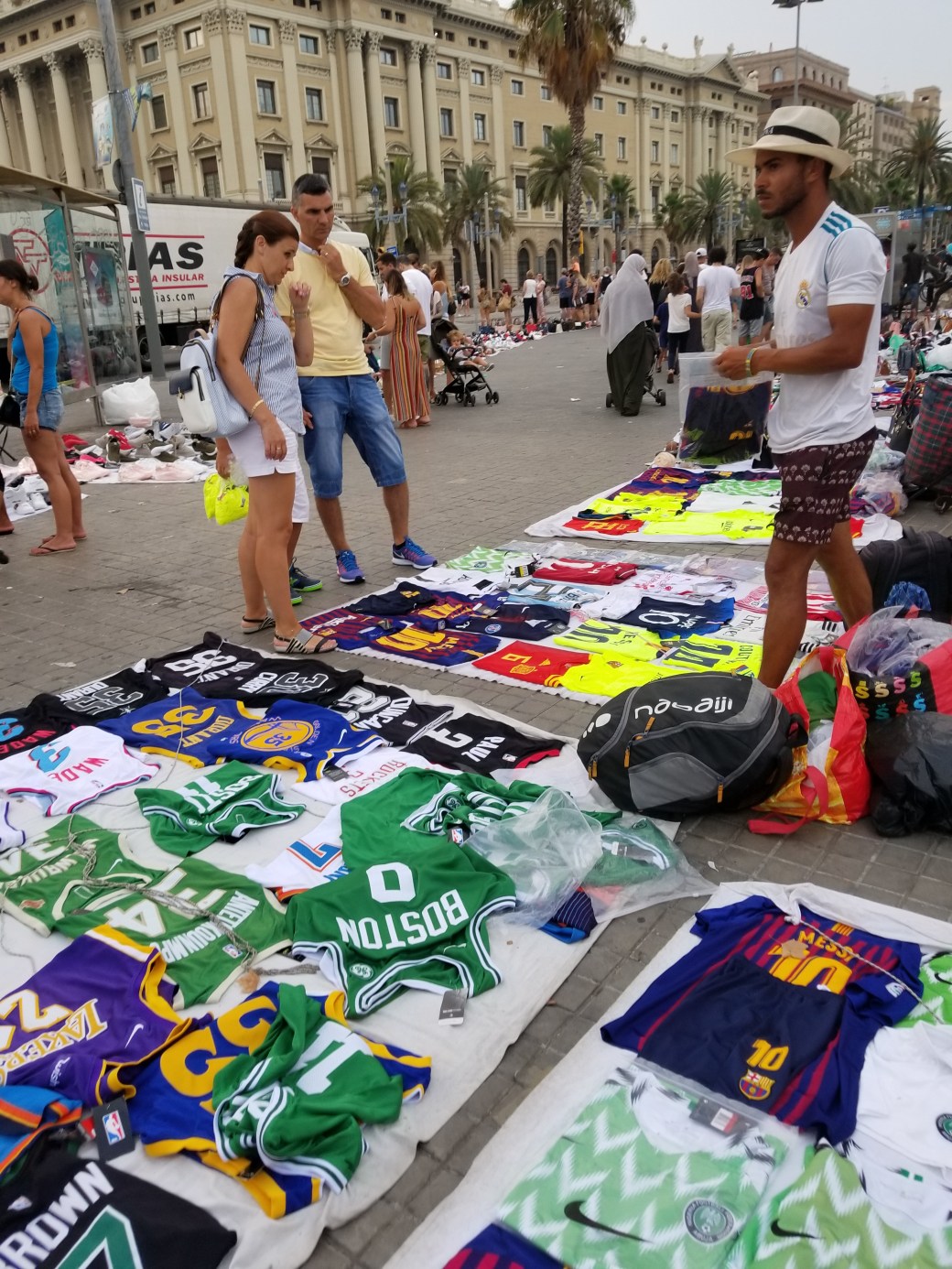
My husband and son came to visit from Seattle and we hit the road as soon as they landed.  Barcelona was our first destination.  We took the train from Málaga.  If you ever get a chance to come down to Spain, you should definitely take the train to any far off destination.  Most destinations are a half to a full day’s travel.  You get the freedom to see the incredible country side without swerving off the road.  You don’t have to stop anywhere since there’s a restaurant, bathrooms, movies and music for your entertainment, and you don’t have turbulence or a crazy driver (like my husband) to worry about.  One thing I suggest you NEVER do is come to Spain in August.  Even on the coastal cities, it is outrageously hot and unbearable.  Although some Spaniards have begun to incorporate air conditioners into their homes and businesses, many have shunned the idea, believing air conditioning causes illness and avoid it at all cost.  It is not uncommon to enter a store, a restaurant, a home with no air conditioning in 100 degree weather.  For people who are not used to hot weather, like us, this is torture. If you rent a short-term apartment make sure there is AC.  Otherwise, you get what everyone else has…a puny fan.

Barcelona

Unlike the sleepy southern town of Málaga, the city of Barcelona is not only bustling with people, it definitely has taller men.

Fine, fine…I’ll get serious…
UPF-112017-p12-Spain-map-popup

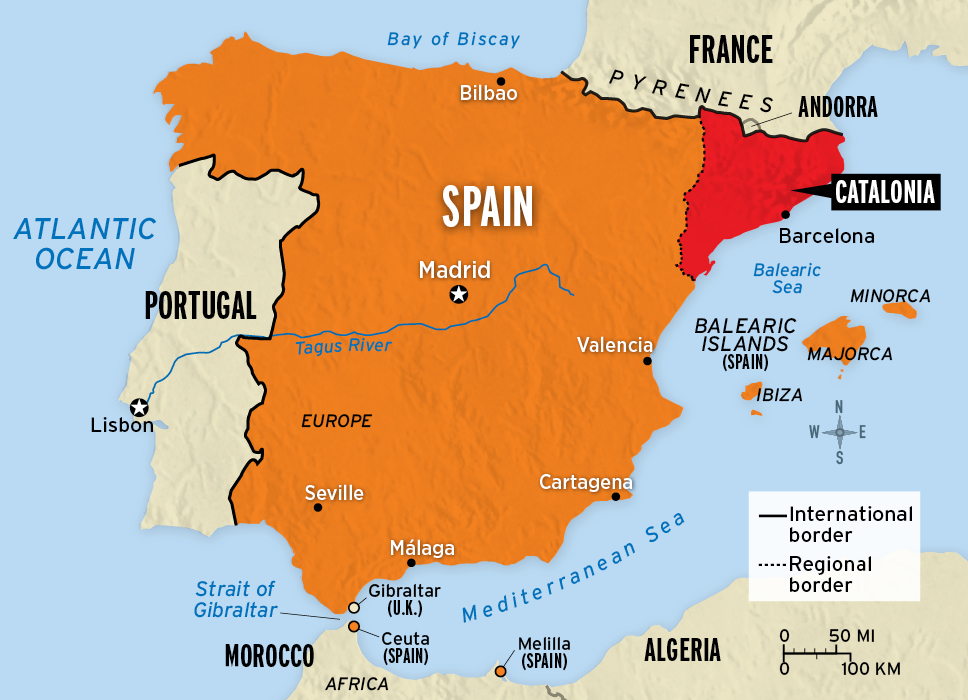
Barcelona is a lot bigger and has a different beat than Malaga. As was Malaga and the Andalusian region, Barcelona was ruled by Romans and then the Moors for a short period, but was later taken by the French-German Franks early in the 9th century and by the early 1100’s was called Catalonia, or more appropriately, Cataluña. It was heavily Catholic, whereas the southern region of Andalusia was heavily Muslim. The cultural influences from different religions and people are highly visible in the architecture and the culture of the region.  To give you a little background of Barcelona…

Barcelona is the largest of four provinces in the Catalonia region located in the northeastern most tip of Spain bordering France.  For centuries it has been back and forth with Spain  to keep its autonomy.  Up to the early part of the 20th century, the citizens of Catalonia freely spoke Catalan until the military dictator, Francisco Franco, took over in 1939 and suppressed all cultural, political, educational and environmental affairs.  He abolished everything to do with Catalonia and forced everyone to follow the Spanish way.  Although Barcelona has always been one of the most industrial cities in Europe, after Franco’s death in 1975, it regained its footing and quickly grew into a wealthy city drawing millions of tourists from around the world.   Today, Catalan history and the language are re-injected into the system and are required in all schools in Catalonia in conjunction with Spanish.  The people of Catalonia are still vehemently trying to secede from Spain resulting in many violent political confrontations and opposition from the Spanish government.
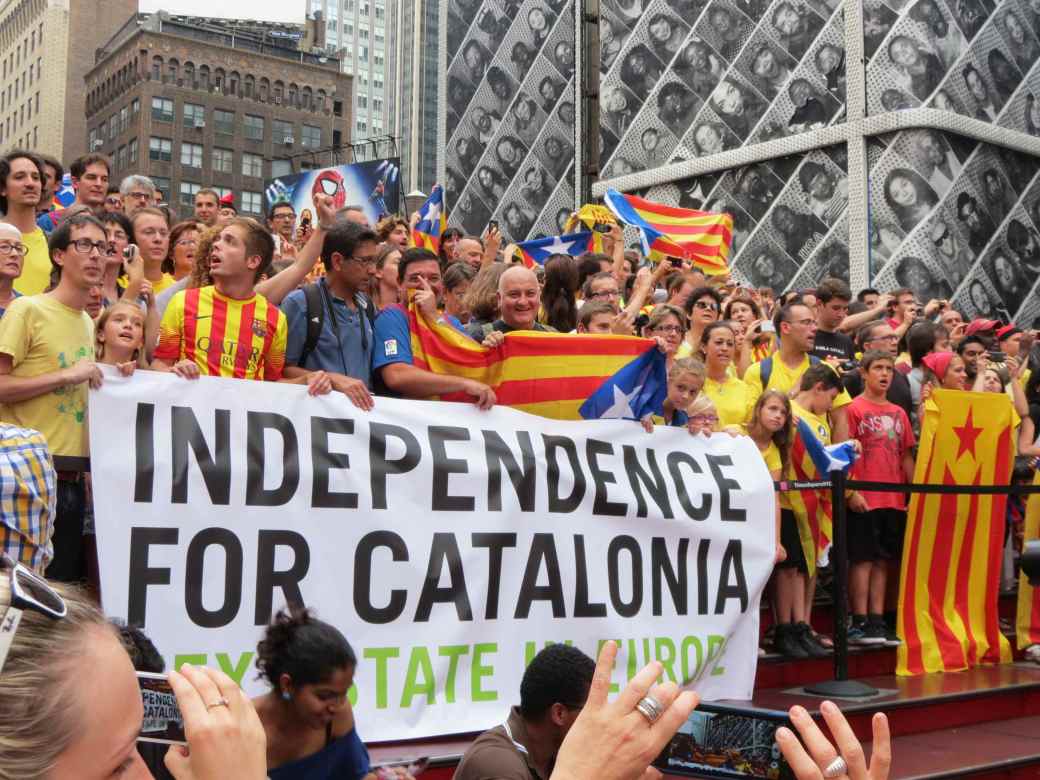

Holding Hands for Catalan Independence NYC #CatalanWay #ViaCatalana #ViaCatalanaMoncatalonia-independence-VOTE1017

Barcelona city has a population of about 1.6 million people, and almost 5 million live in its surrounding suburbs.  Catalonia region produces almost a third of Spain’s industry and is one of the largest investment hubs in Europe.  In a country where almost a quarter of its population is unemployed, and where a 6% sized region is holding Spain’s economy afloat, no wonder Spain doesn’t want to let it go!

Besides the fact that it is a giant industrial producer, Barcelona boasts an immense cultural presence.  Many famous people like Picasso, Miró, Dali, Gaudi and Caballé lived and worked there.  Today, many film artists and singers, including Shakira live in Barcelona, not to forget the soccer and tennis athletes that live there as well.

Visiting Barcelona in August was a trial of endurance.  It was so hot we had to either leave early in the morning or wait until evening to explore the sights. To add to it, trying to set out with teenagers in the early morning was challenging since they are immobile until at least noon.  However, being one of the largest cities in Spain, there is a lot to explore at any time of the day. There are many art museums here, especially if you’re into modernism.  Picasso, Dali and Miró lived and produced a lot of their works here.

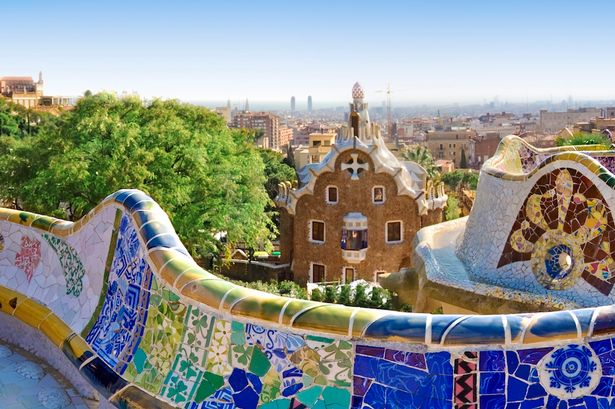
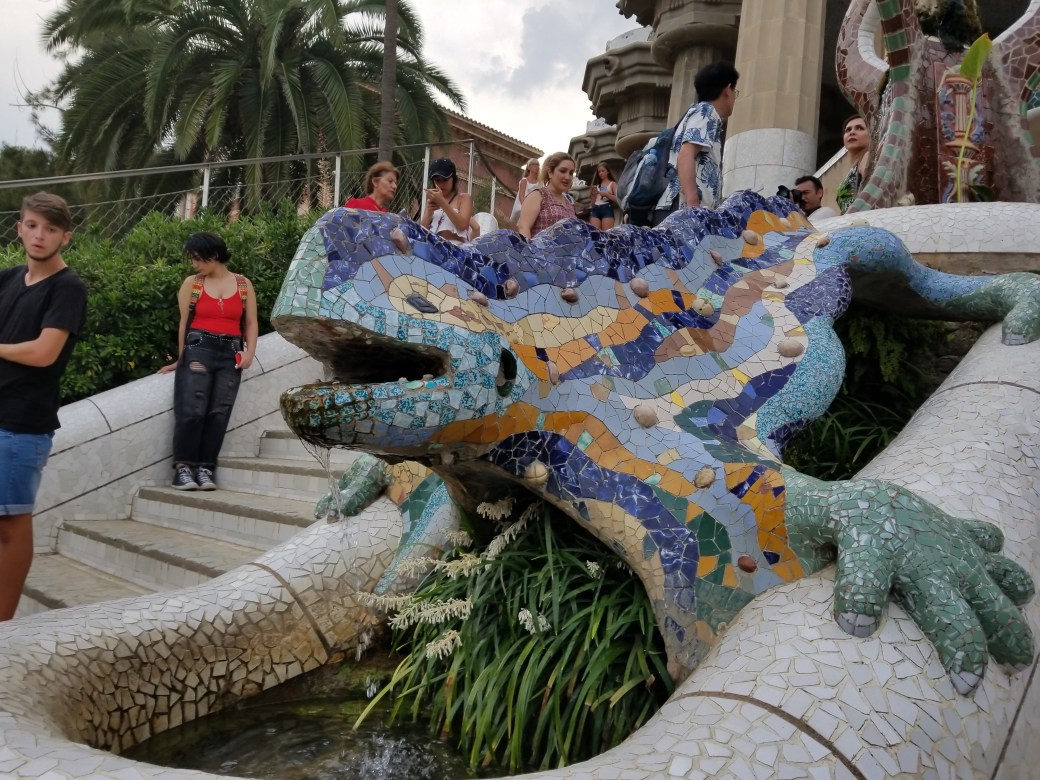
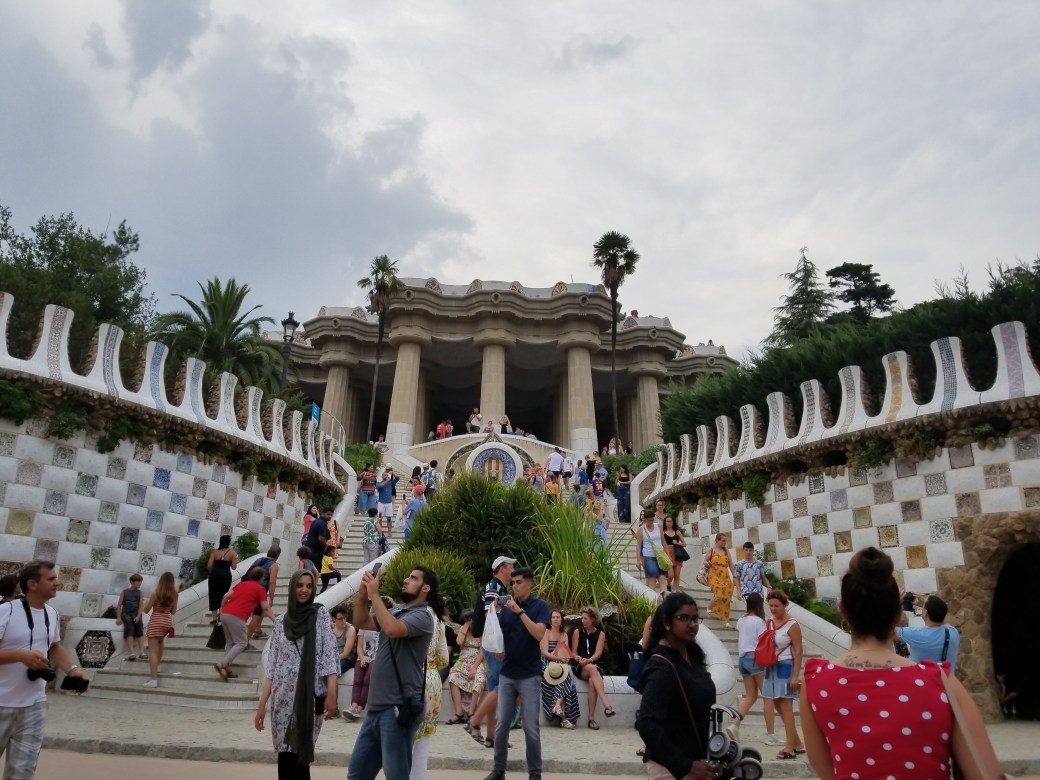
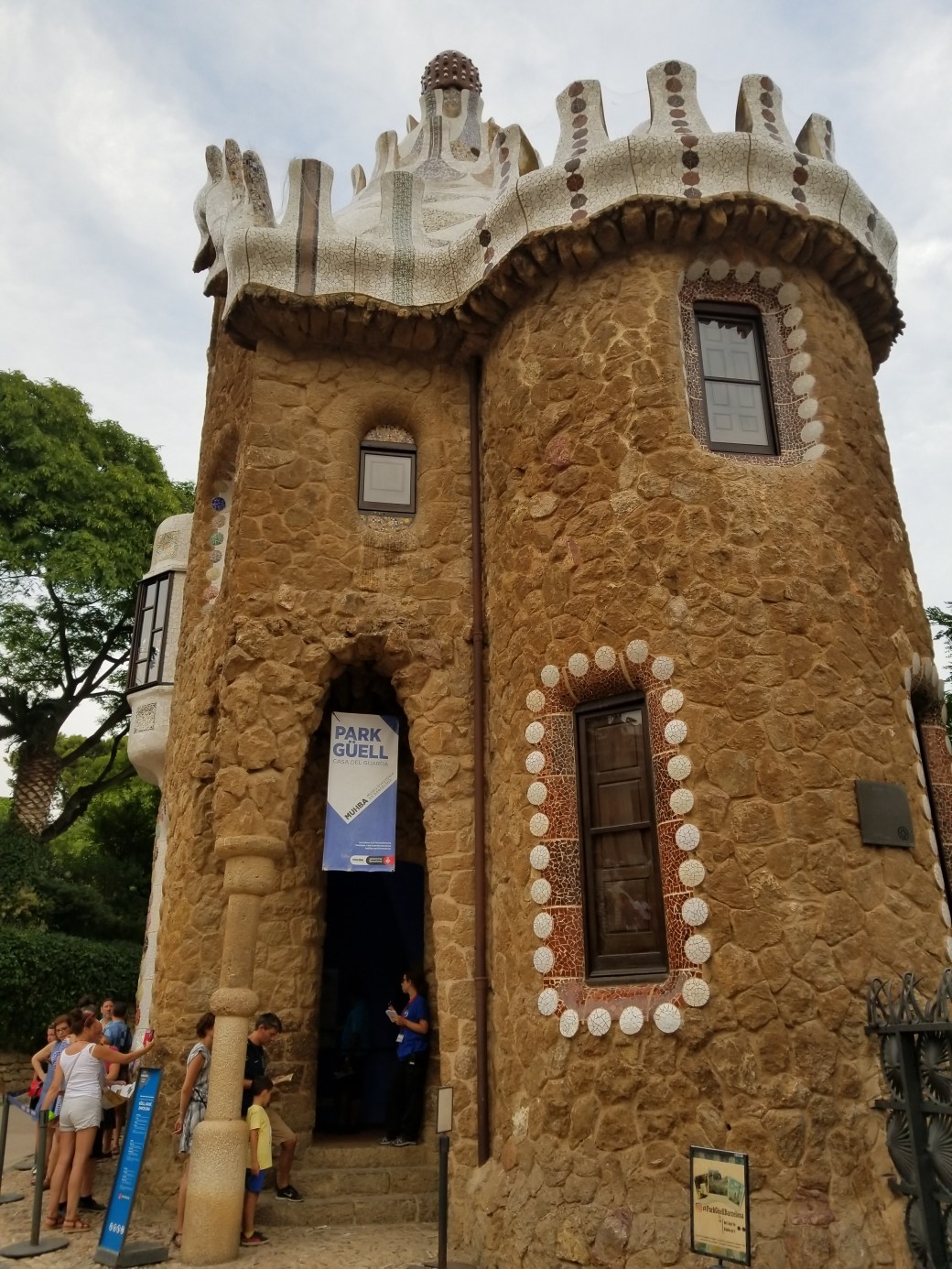
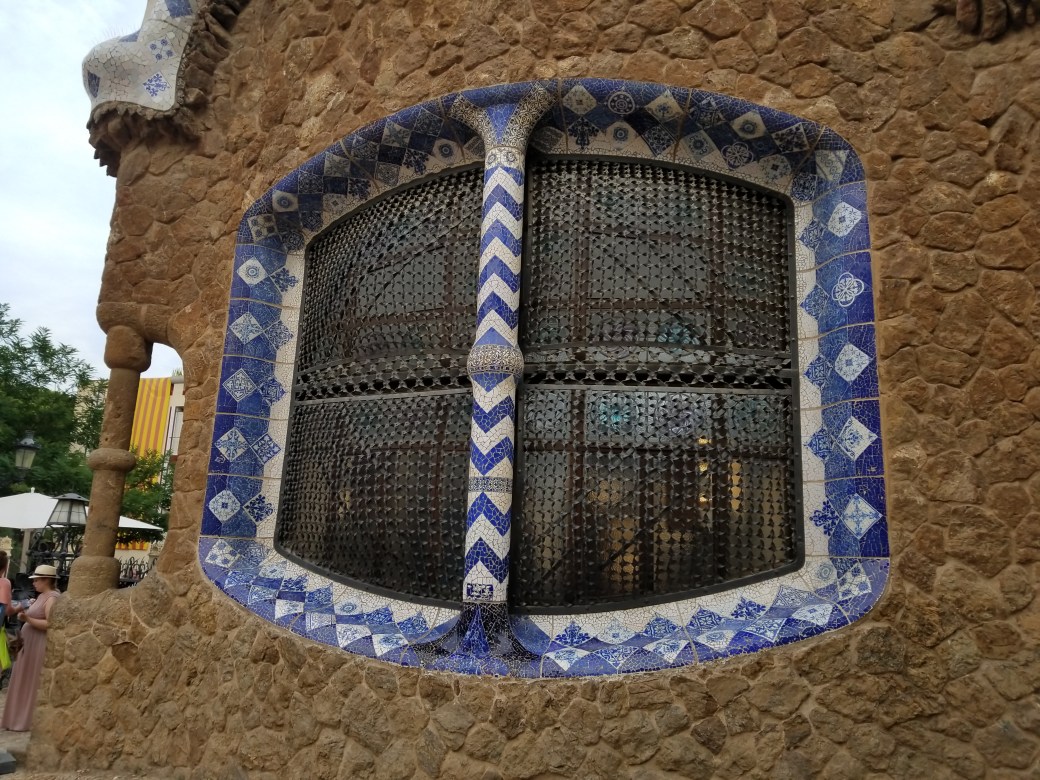
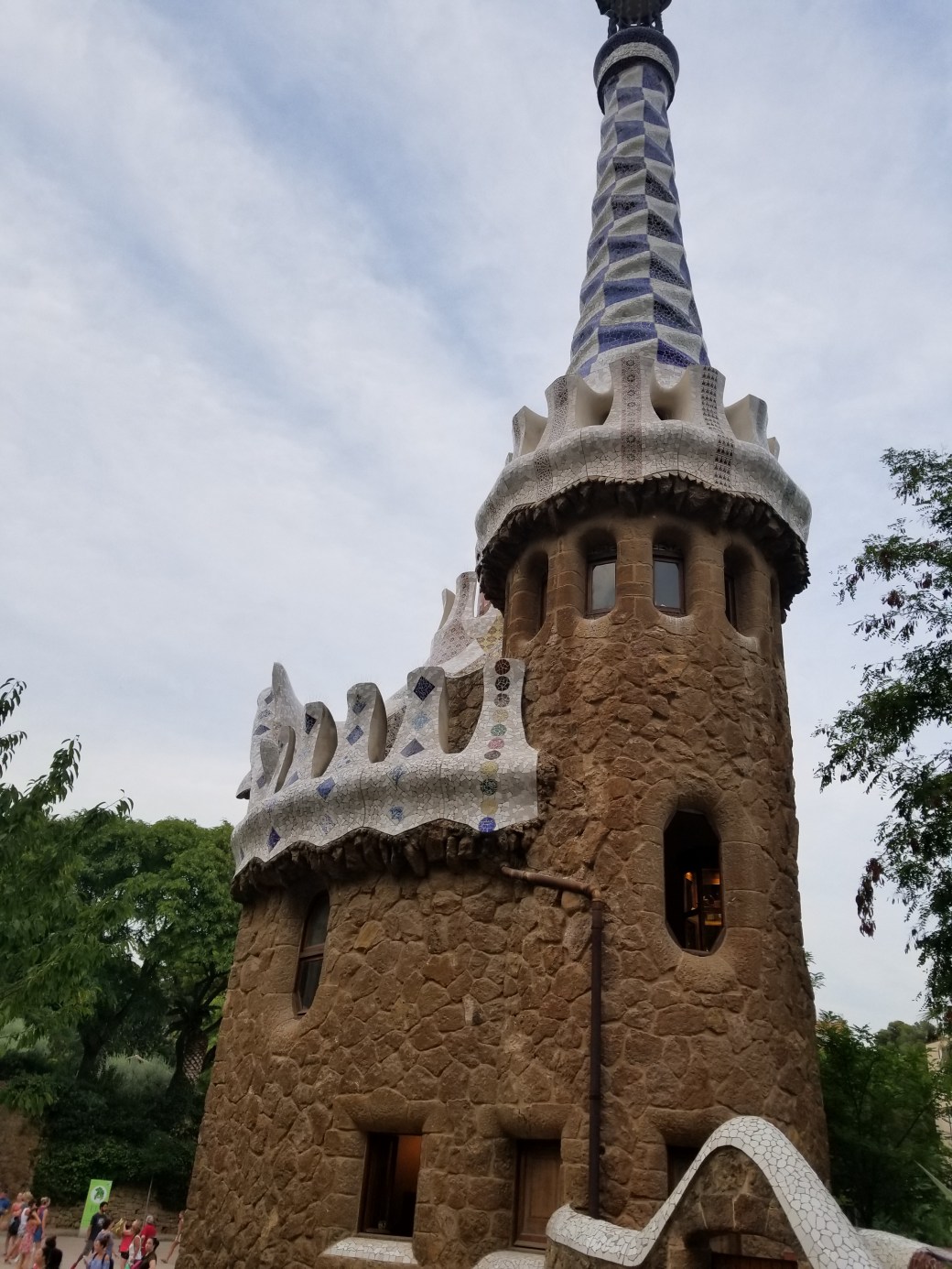
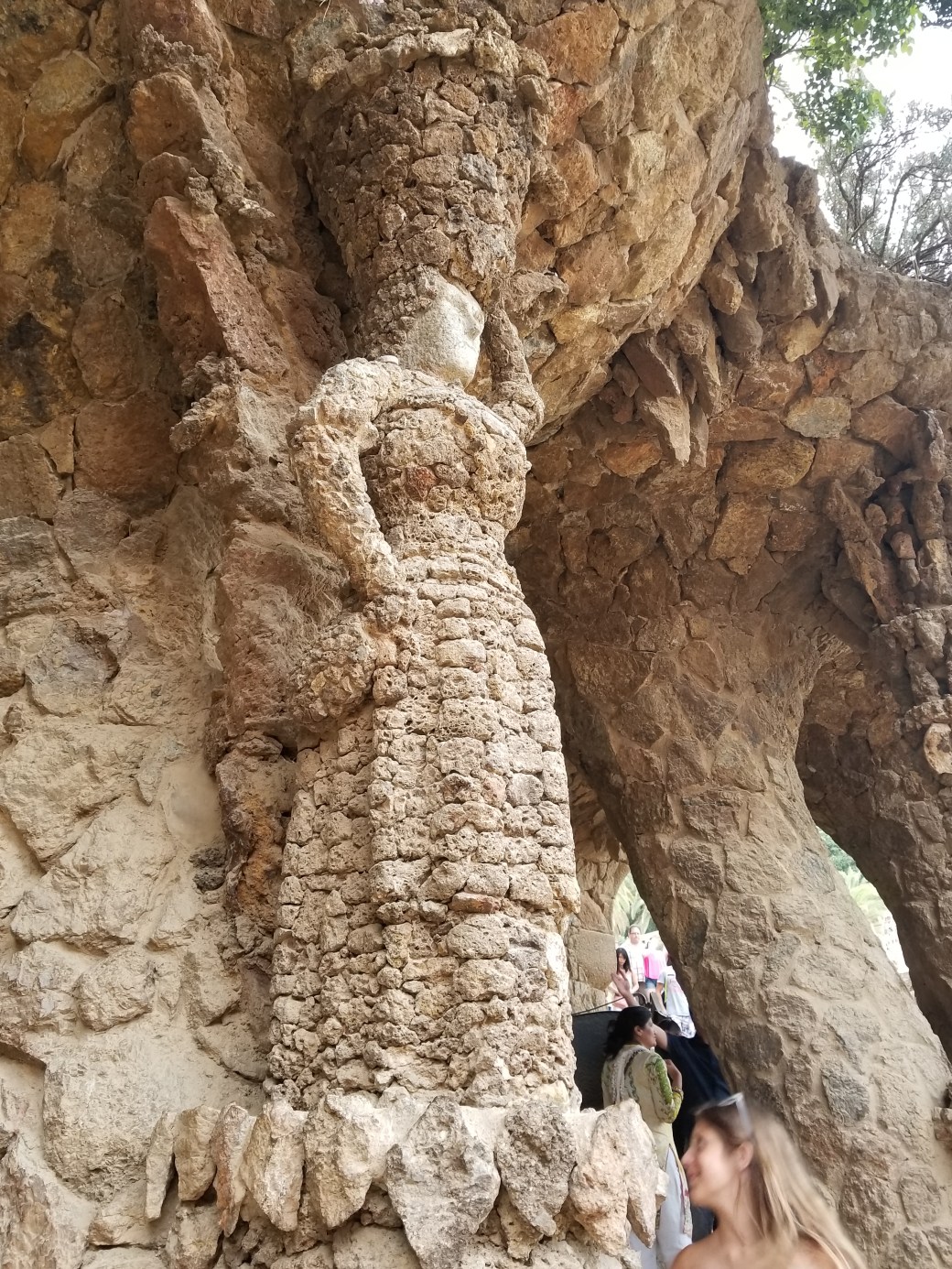
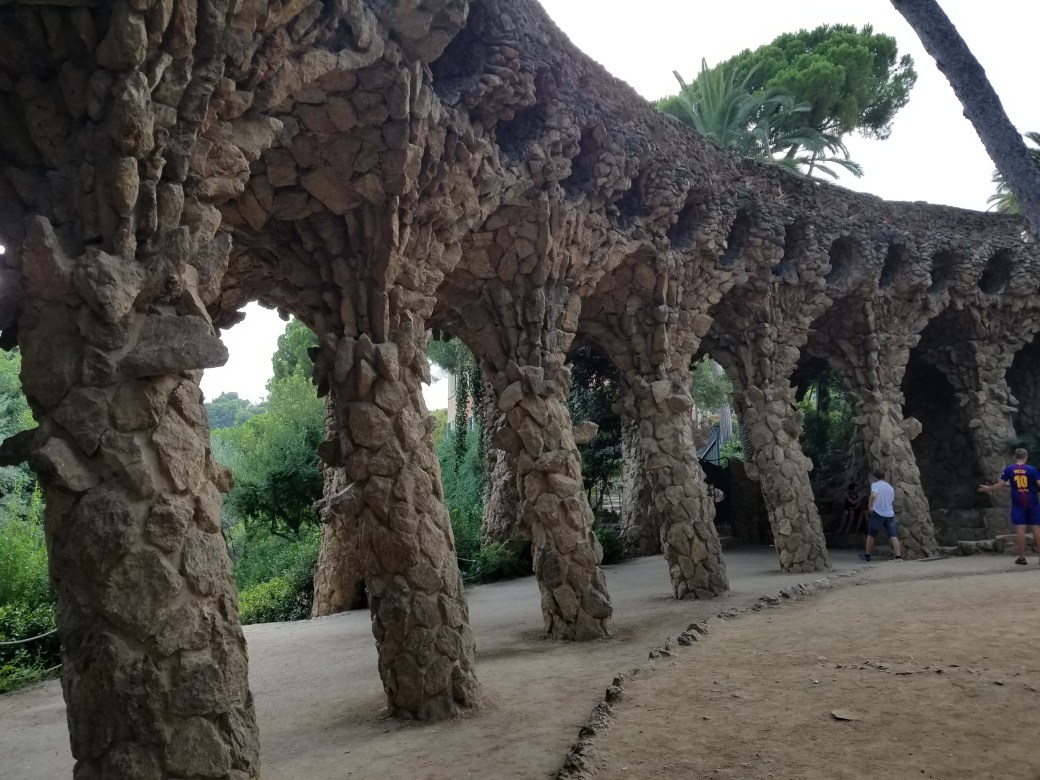
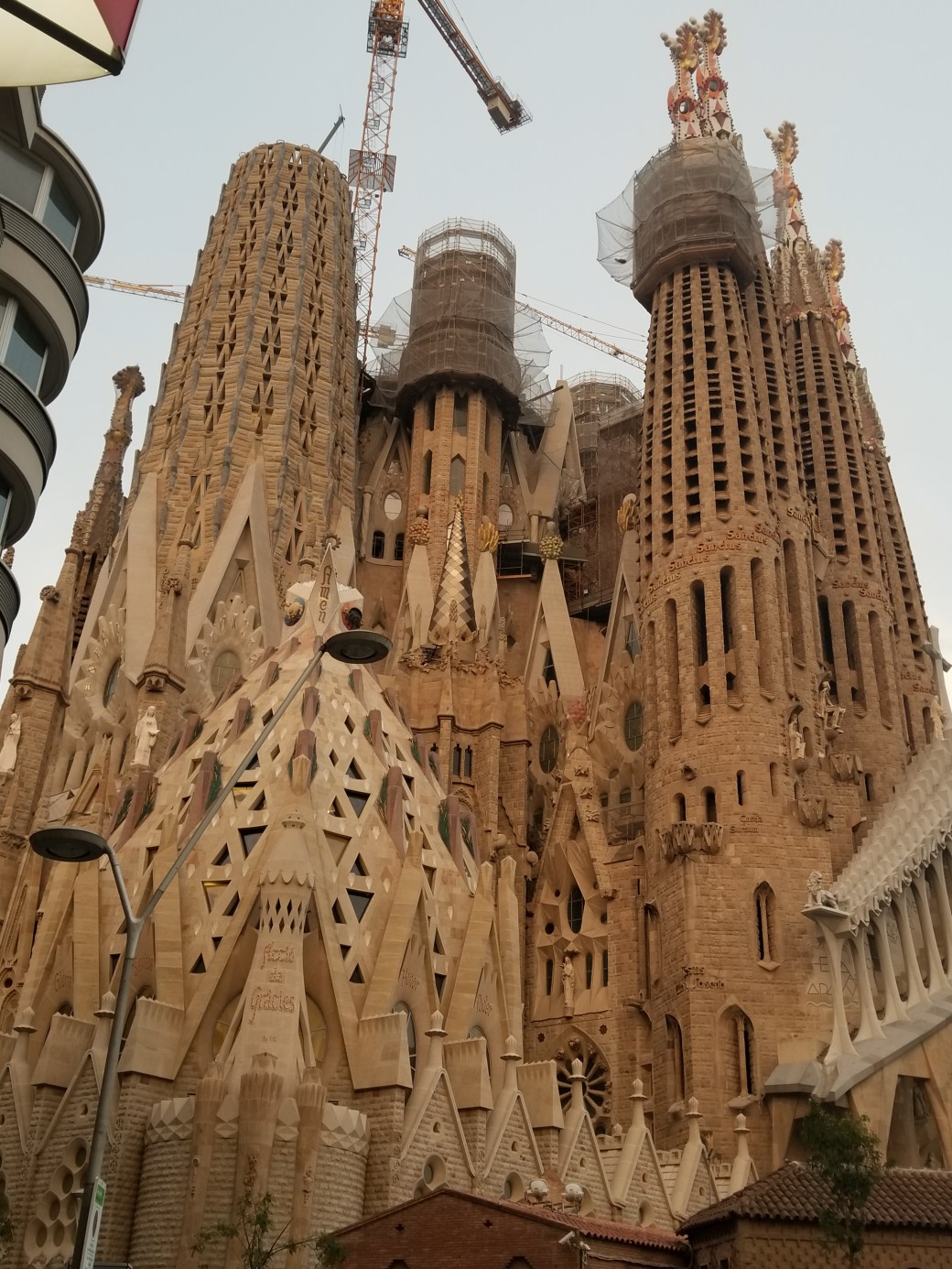
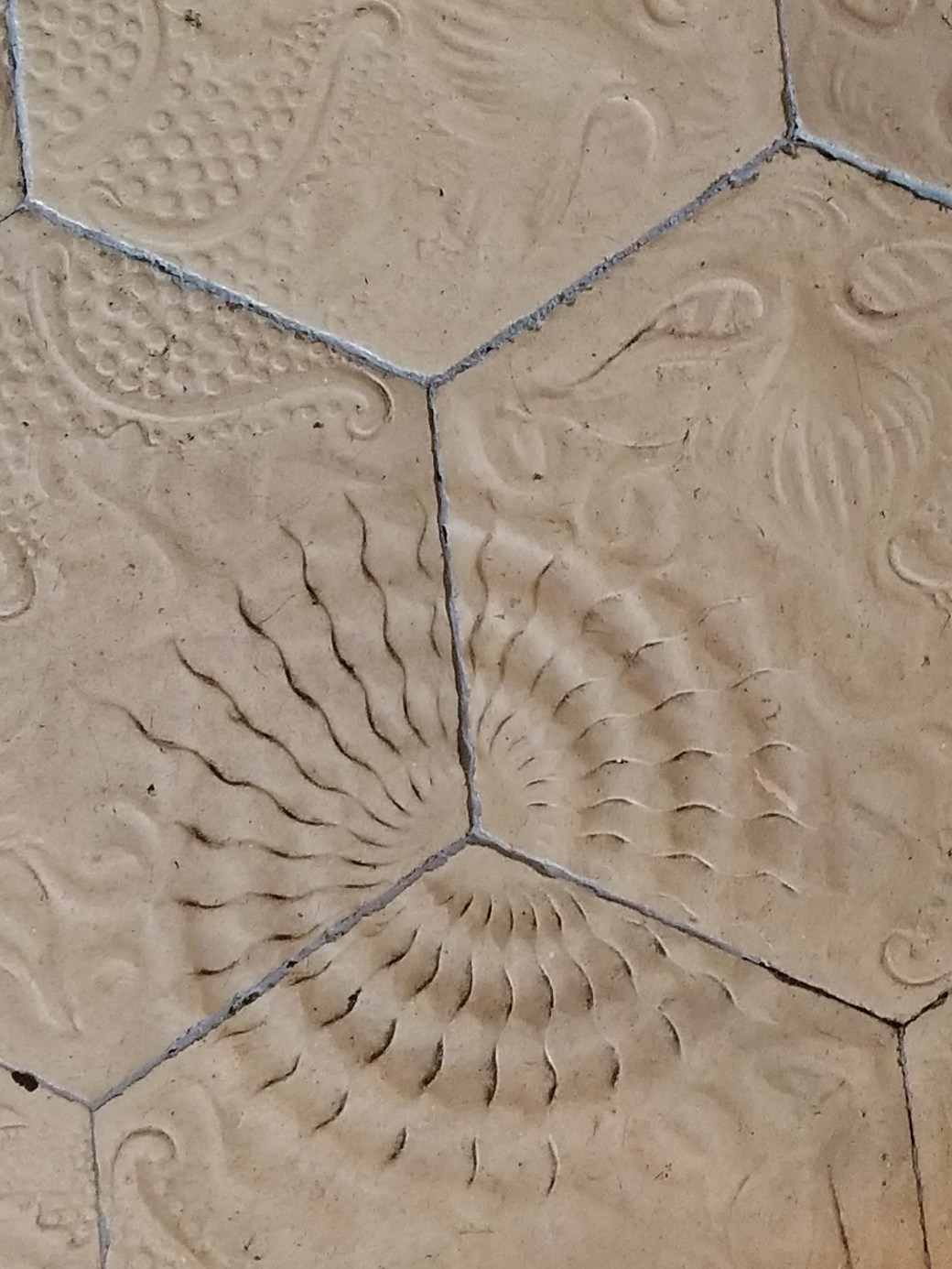
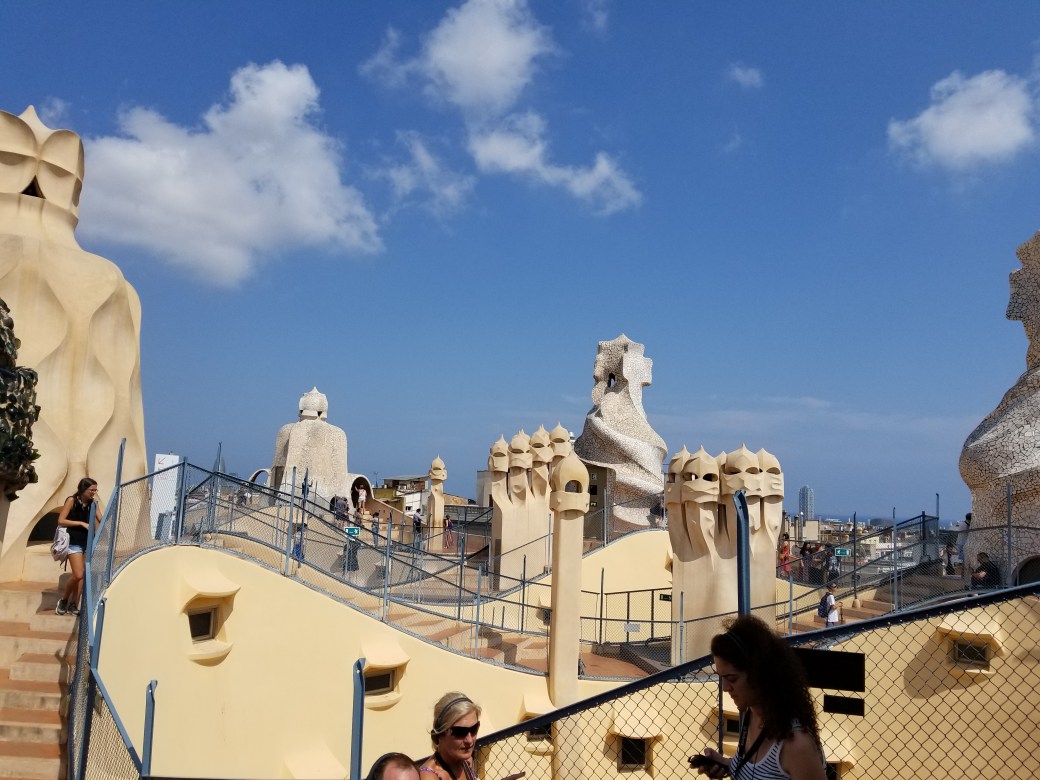
If you’re into architecture, Barcelona is definitely a hot spot.  Although I am sure there are many amazing architects who left their footprint in Barcelona, no one really knows about them.  That is because Antoni Gaudí, a Catalonian, blew them all away.  He was one of the leading, if not the most influential, architects in Barcelona.  Guided by his passion and belief of God and his fascination of nature, he built many intriguing and unique buildings including the magnificent Sagrada Familia; a beautiful, and some say, the most unusual cathedral in the world.  You really have to see it to understand.  It is truly a unique place.  Actually, all of his architecture is unusual and fascinating.  I would describe it as Gothic meets Hansel & Gretel with a modern twist.  I know, but you’ll get it when you see it. Most of his buildings are listed as UNESCO World Heritage sites, meaning they are protected under international treaties for their historical or other form of significance to the world.  To name only a few of his most famous buildings: Casa Milà, Park Güell (pronounced goo-yey), Casa Batlló, Casa Vicens, Palau Güell, and Casa Calvet.  You can spend a whole vacation just following his extraordinary architectural feats.   It’s sadly ironic that he was not appreciated during his lifetime and died most tragically after being hit by a tram in 1926.

La Sagrada Familia

20180809_131747[1]

Kiss of Judas. The number plate on the side adds up to 33 no matter what direction you add the numbers. 33 is the age Christ was believed to have died.
20180806_204843

Parc Güell

Barcelona-view-of-the-city20180808_20174220180808_20141620180808_20134920180808_20123320180808_20113020180808_20043620180808_191357

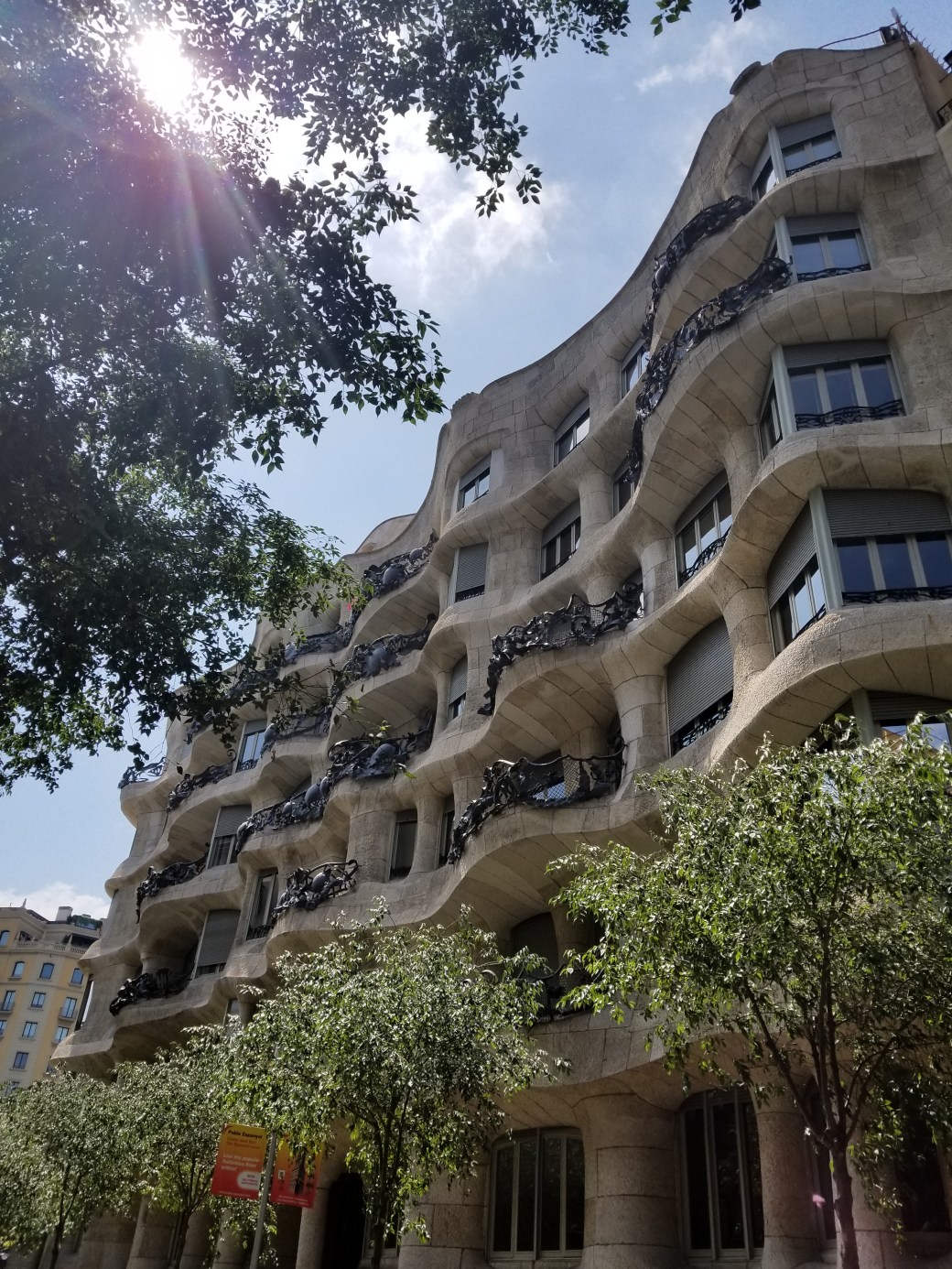
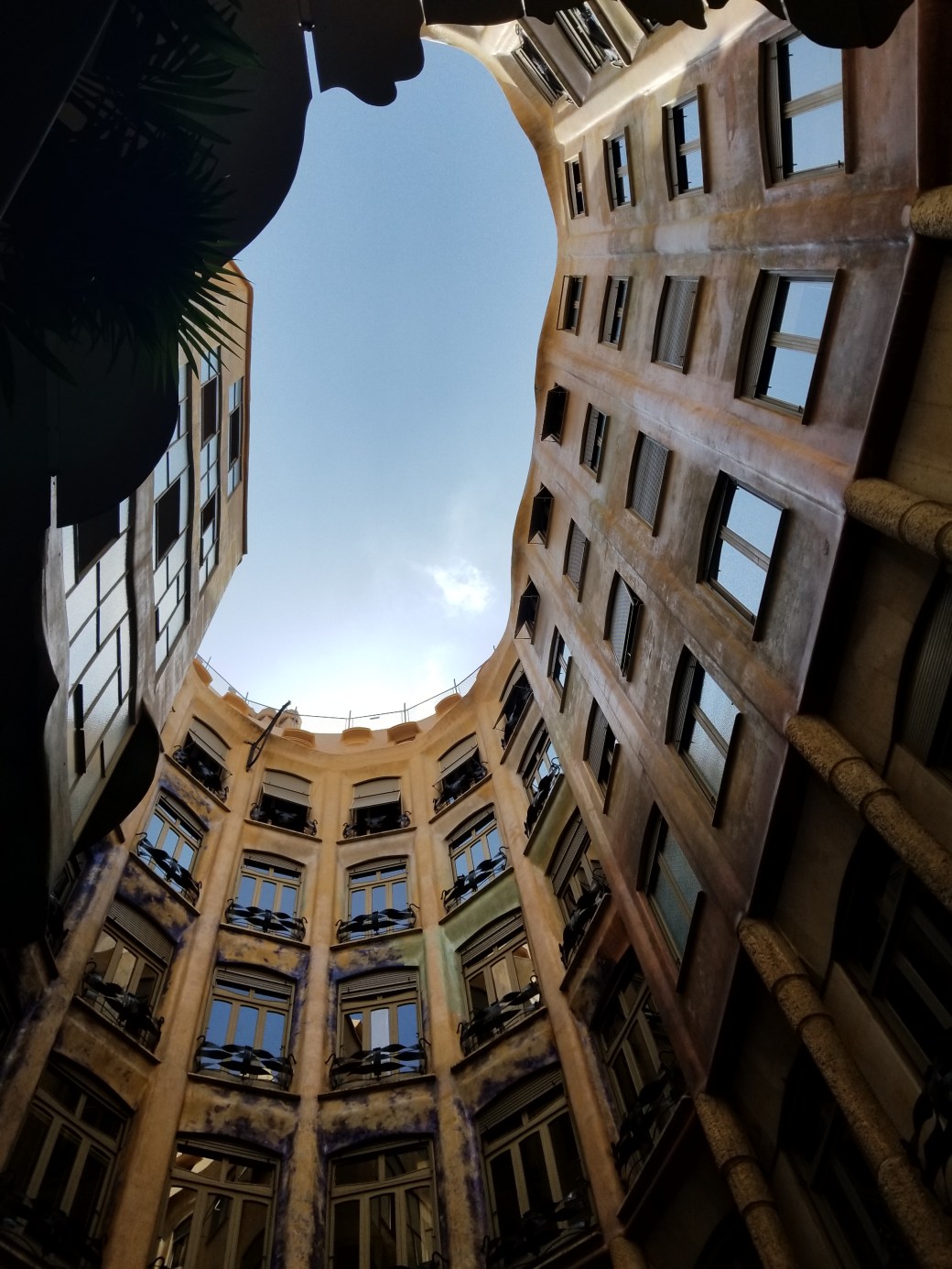
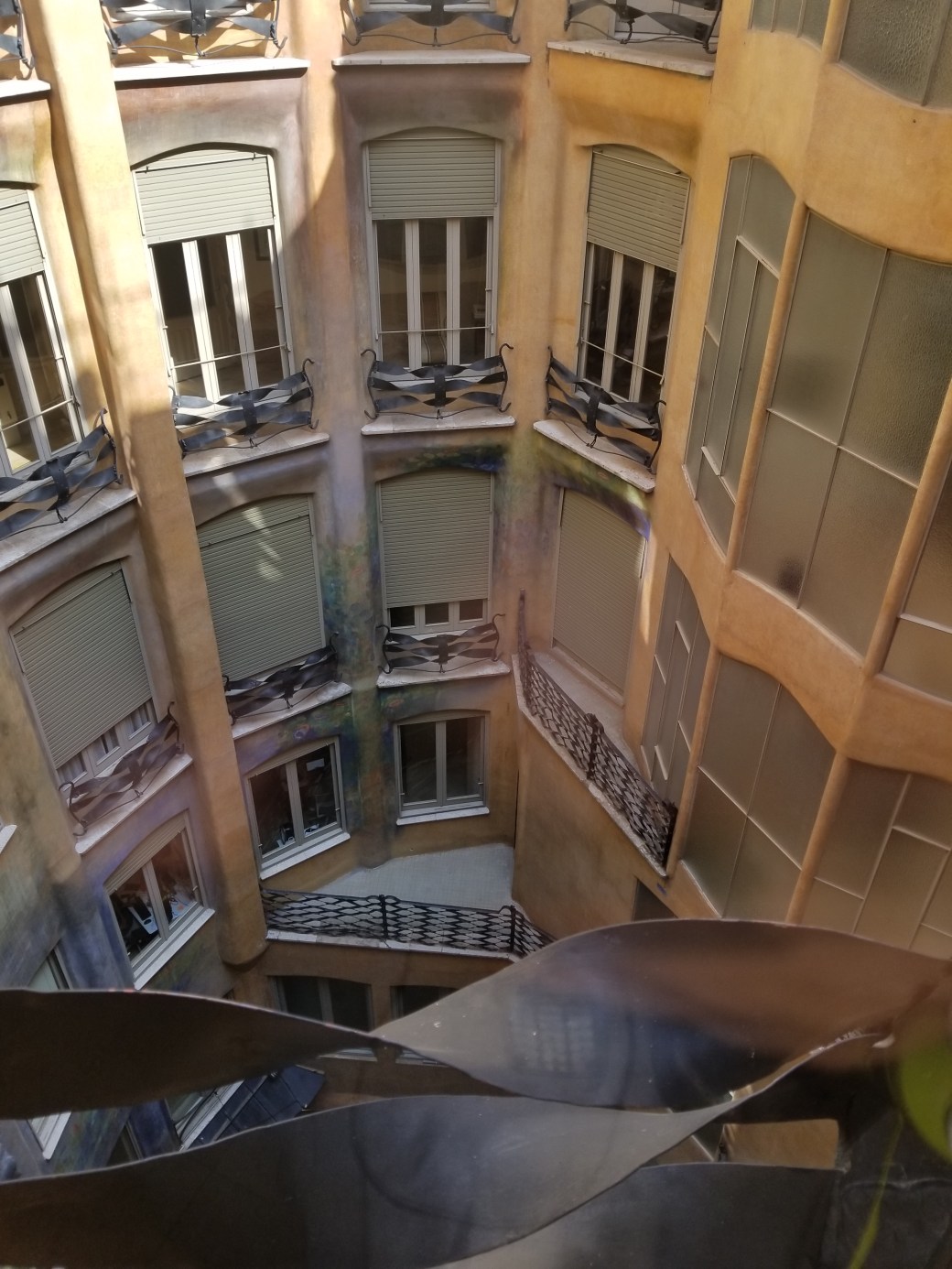
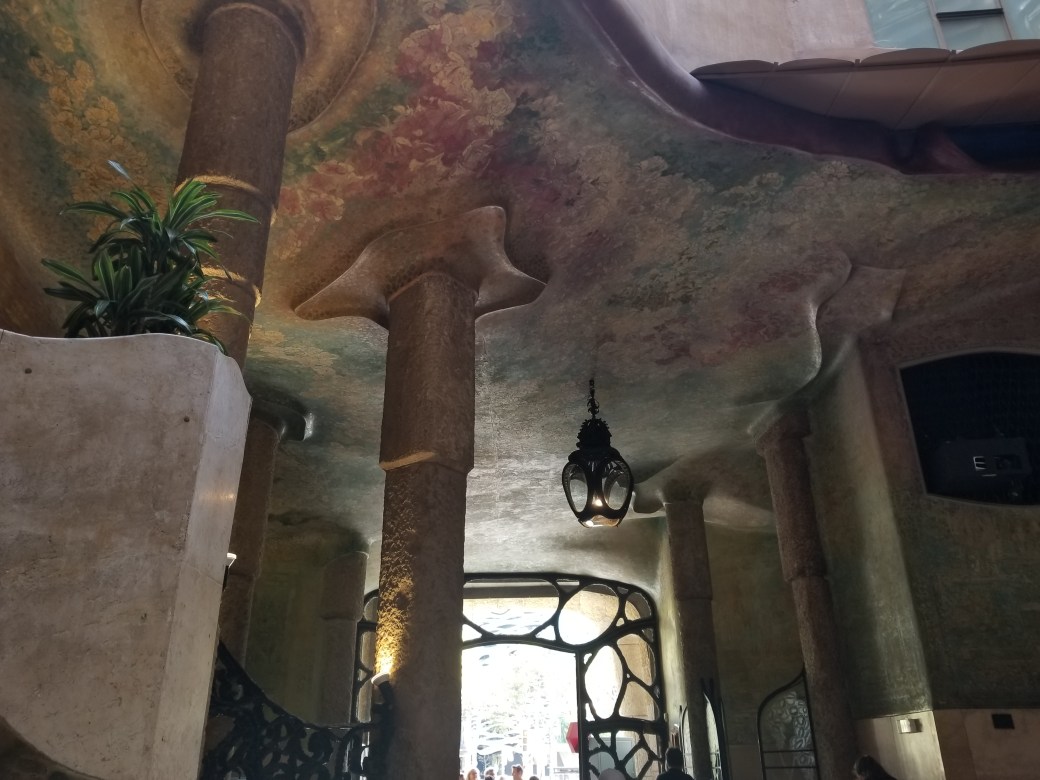
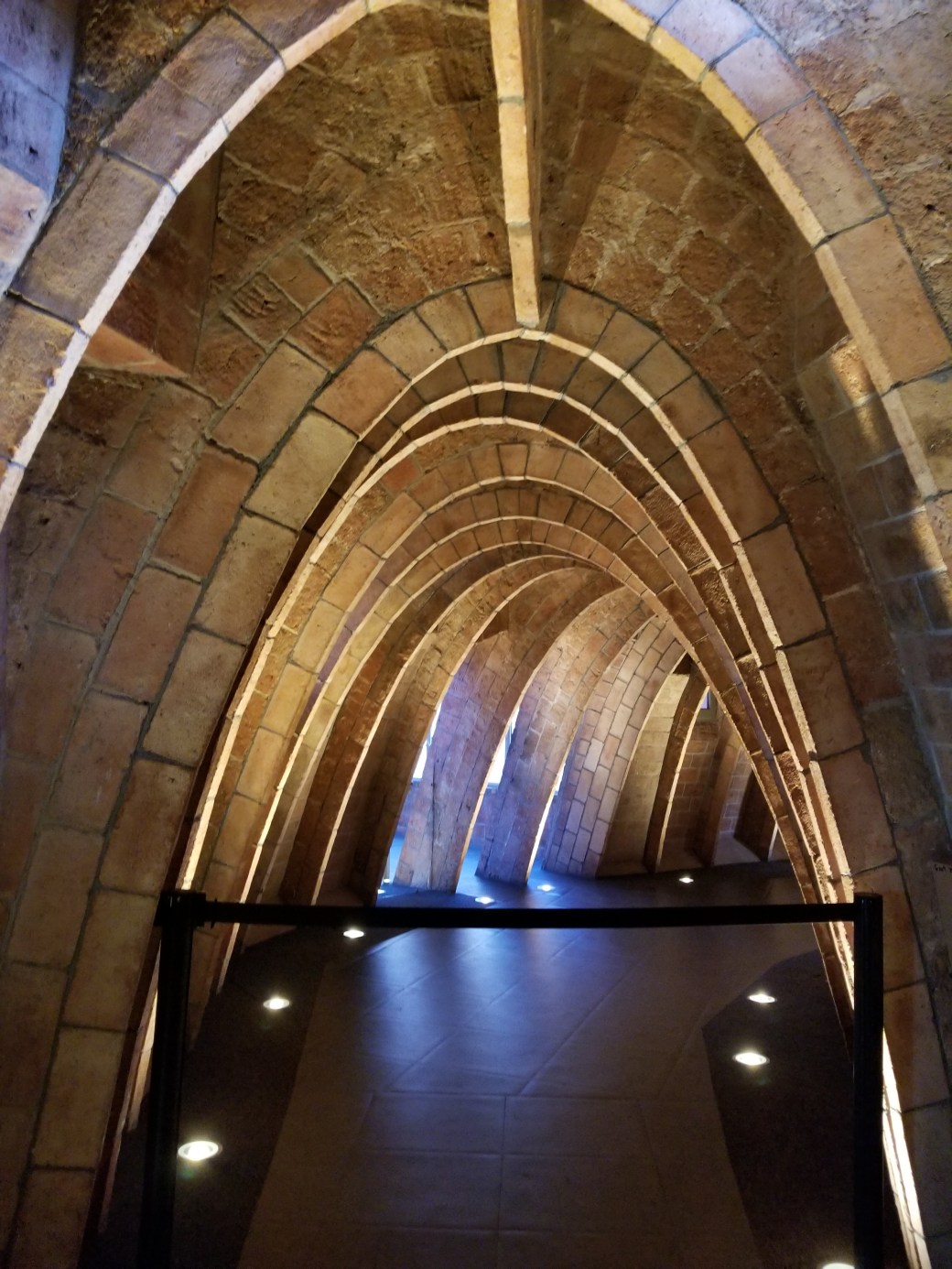
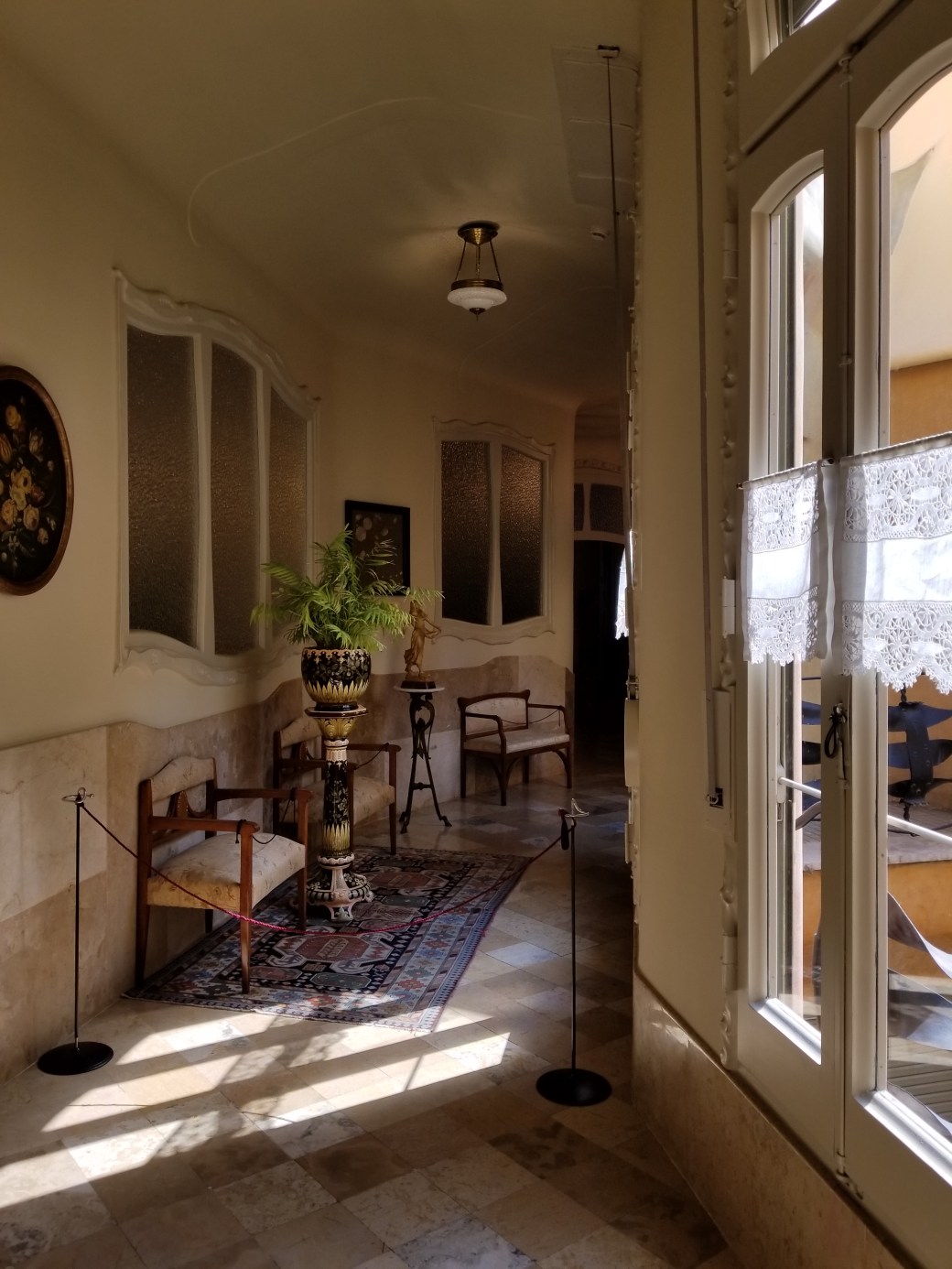
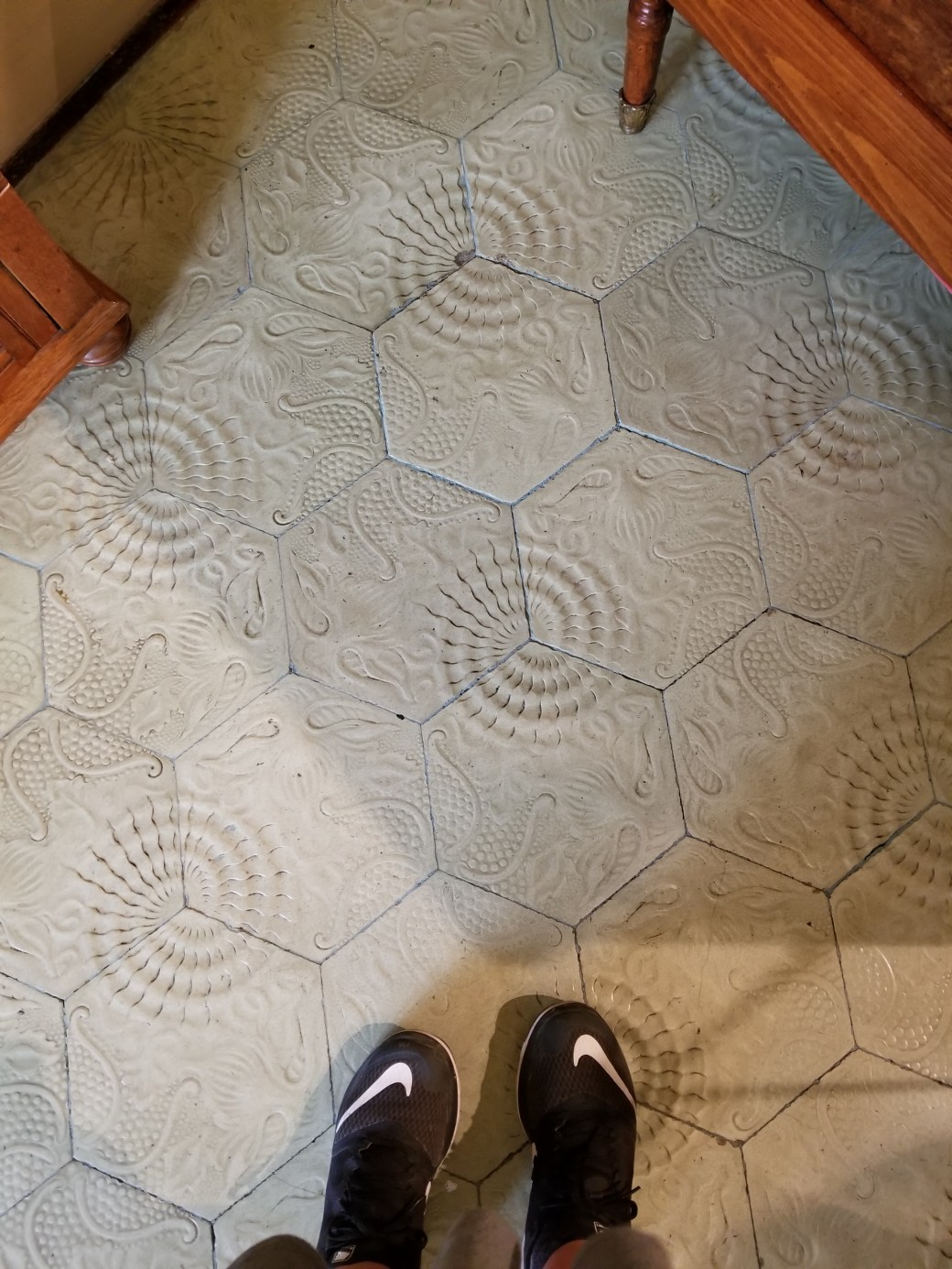
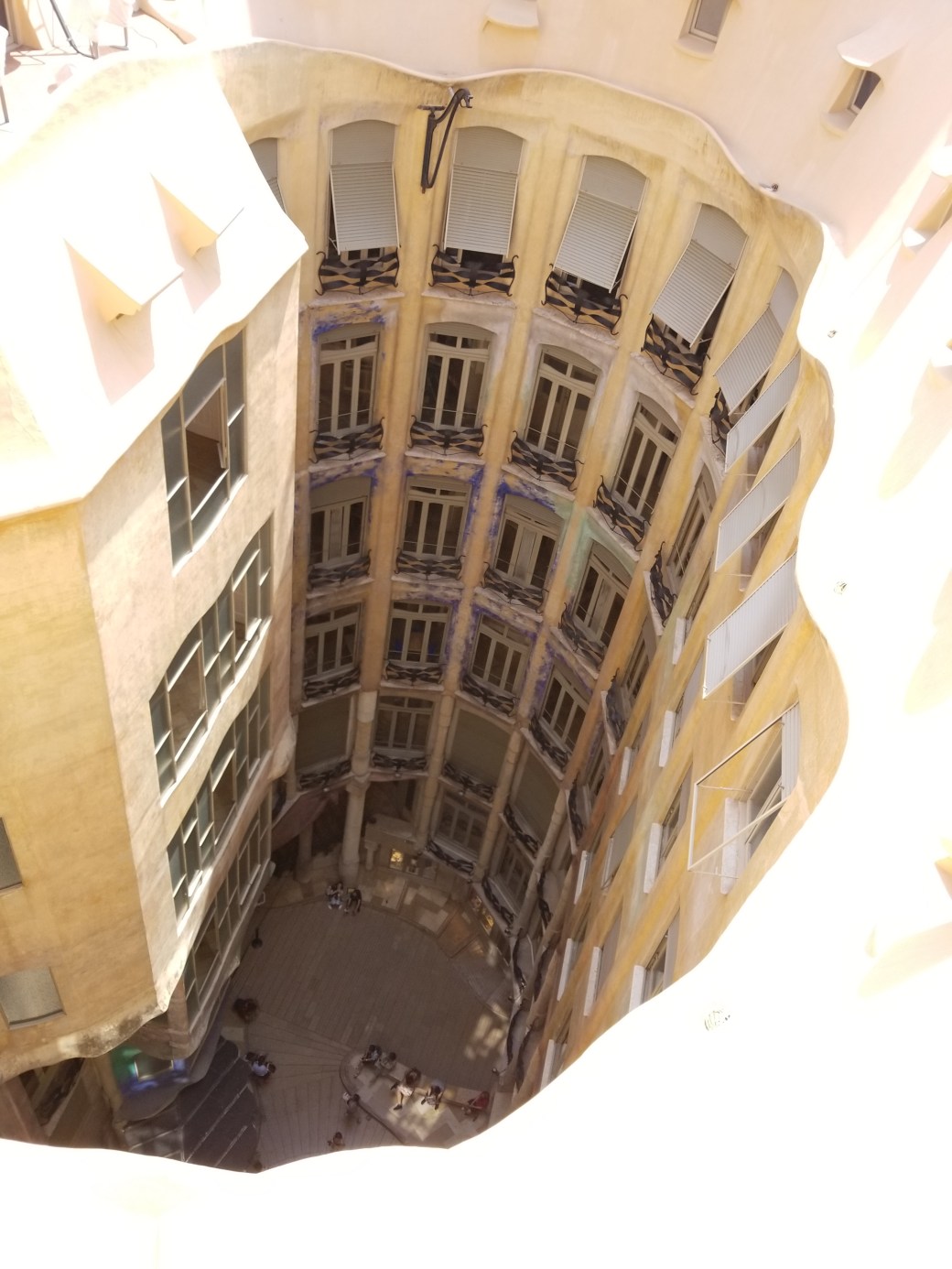
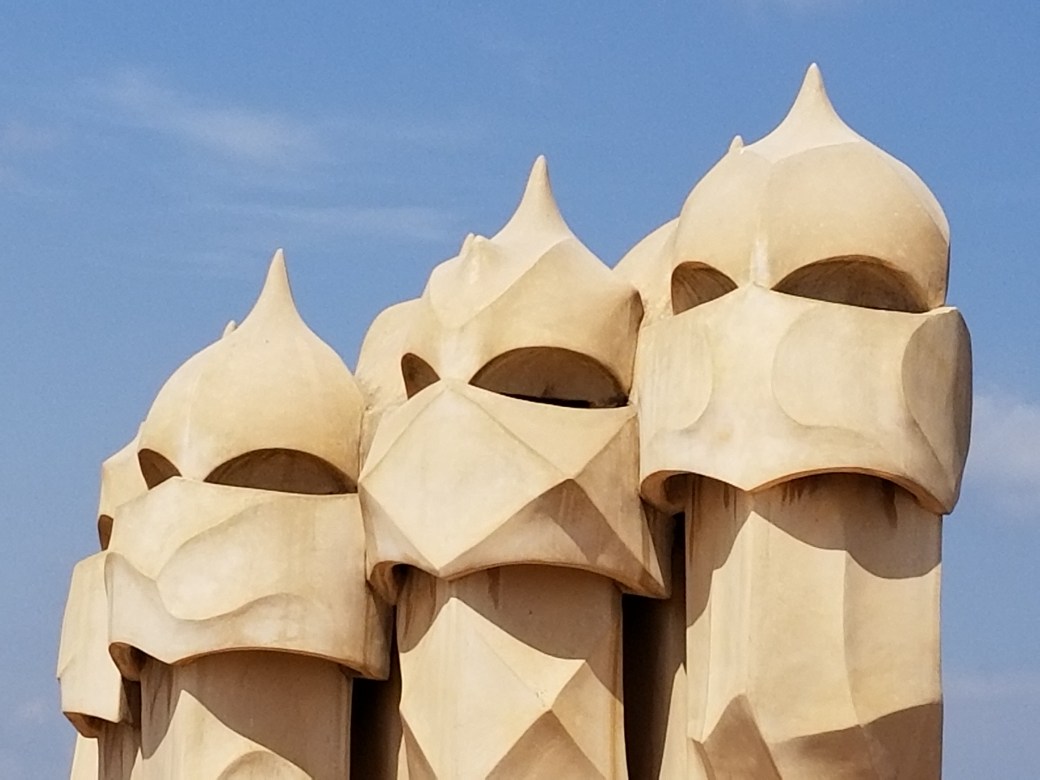
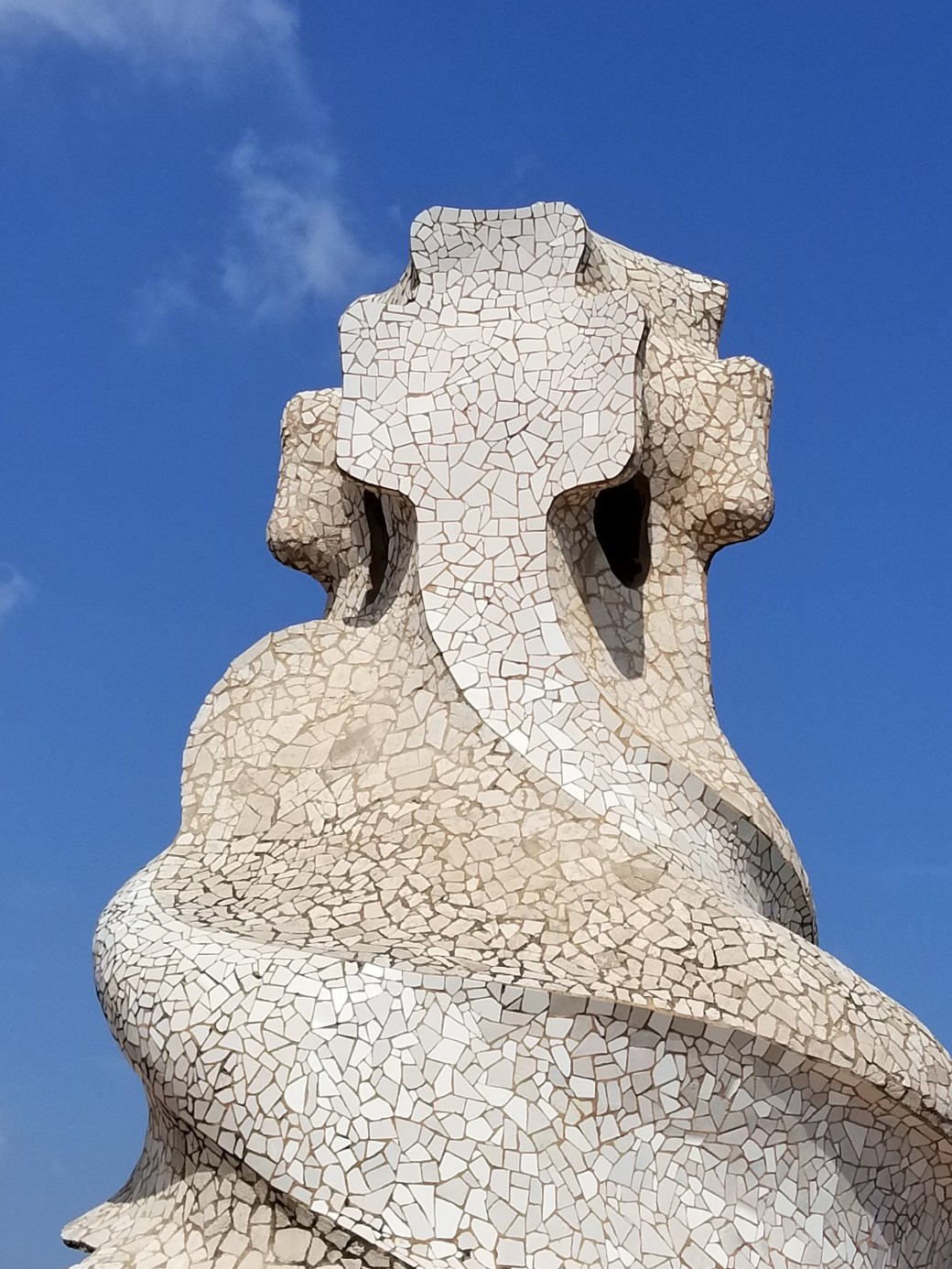
Casa Milà (La Pedrera)
20180807_15273920180807_15295620180807_15353920180807_17020920180807_17060620180807_16051120180807_16464020180807_16450920180807_16450420180807_15420220180807_15533020180807_15481320180807_154834

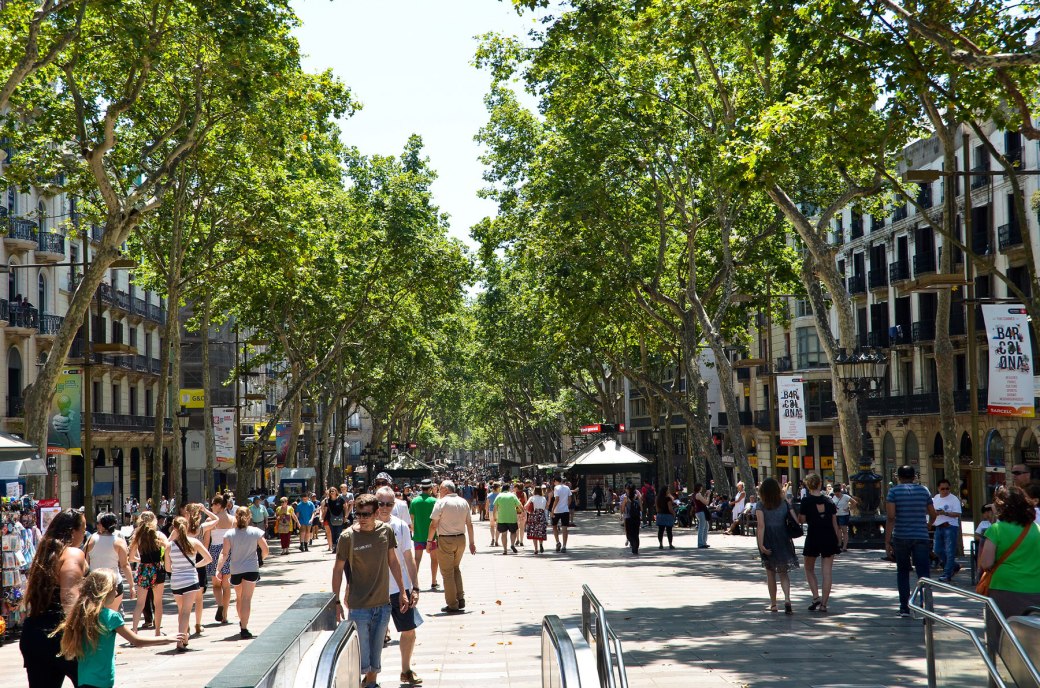
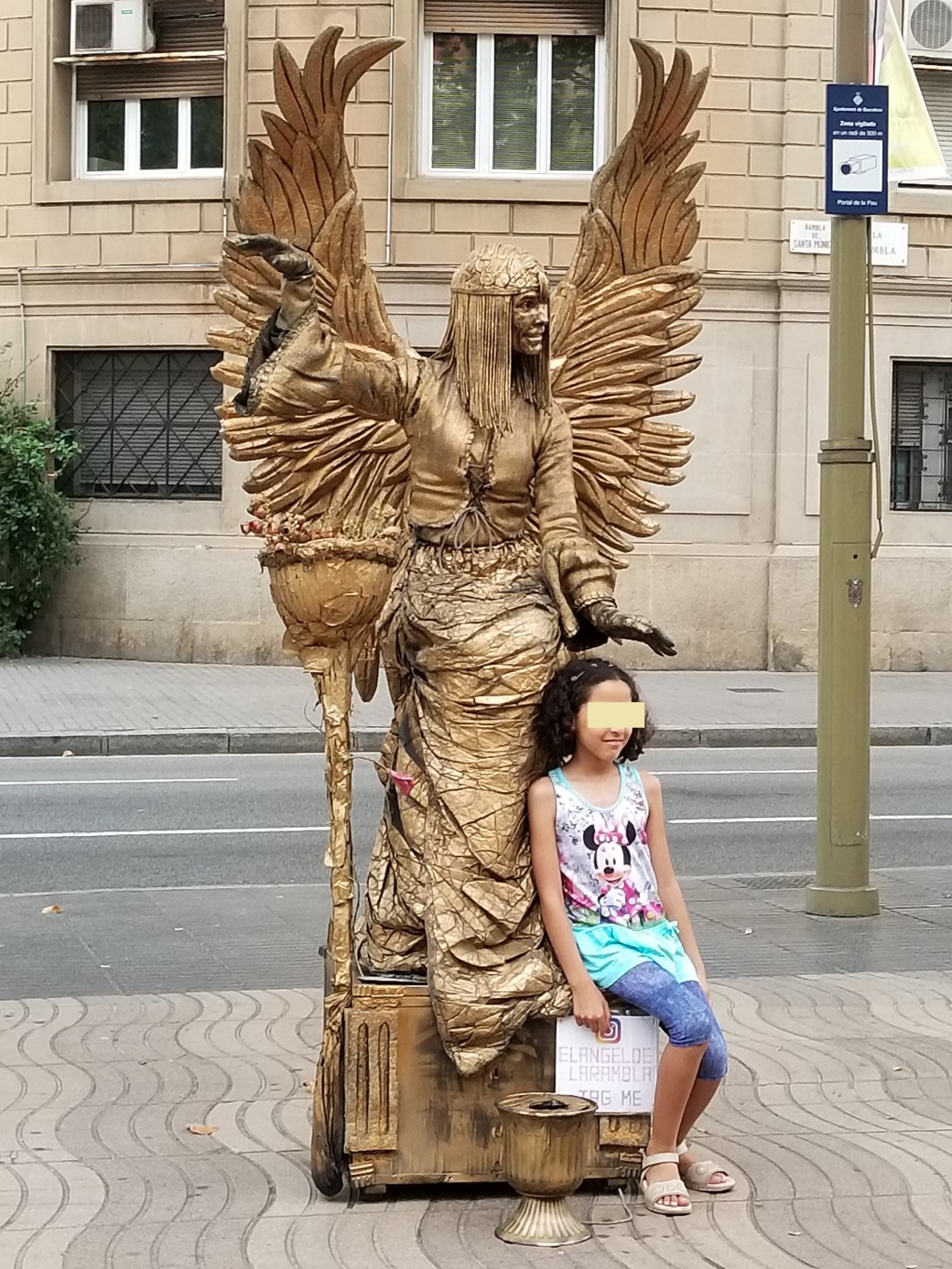
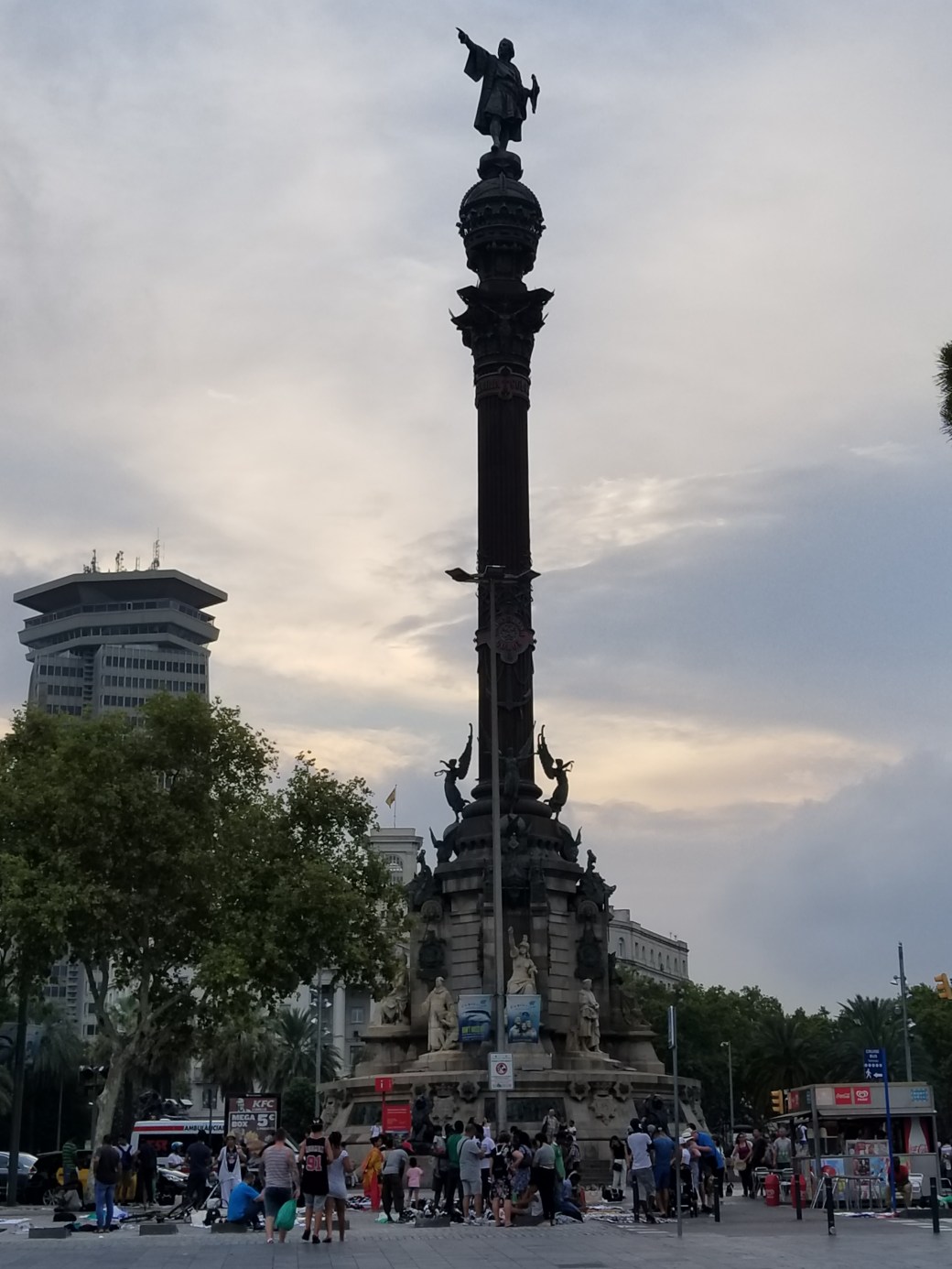
Las Ramblas Boulevard


las-ramblas-barcelona-spain-travel-and-tourism20180806_200725 - Copy20180806_20203320180806_20161620180806_201522

Montjuïc

Barcelona is a walking city.  If you’re not into walking, the hop-on & hop-off buses are perfect. But for the most part, it has a great transportation system with a metro at almost every touristic and historical site.  Getting around is easy and inexpensive.  There is a lot to see just by walking around. It has a beautiful seaside port, amazing food, and a vibrant night life.  Here is a list of all the basic sites you have to see when you get there:

  1. La Sagrada Familia
  2. Parc Güell
  3. Casa Milà (La Pedrera)
  4. Las Ramblas Boulevard
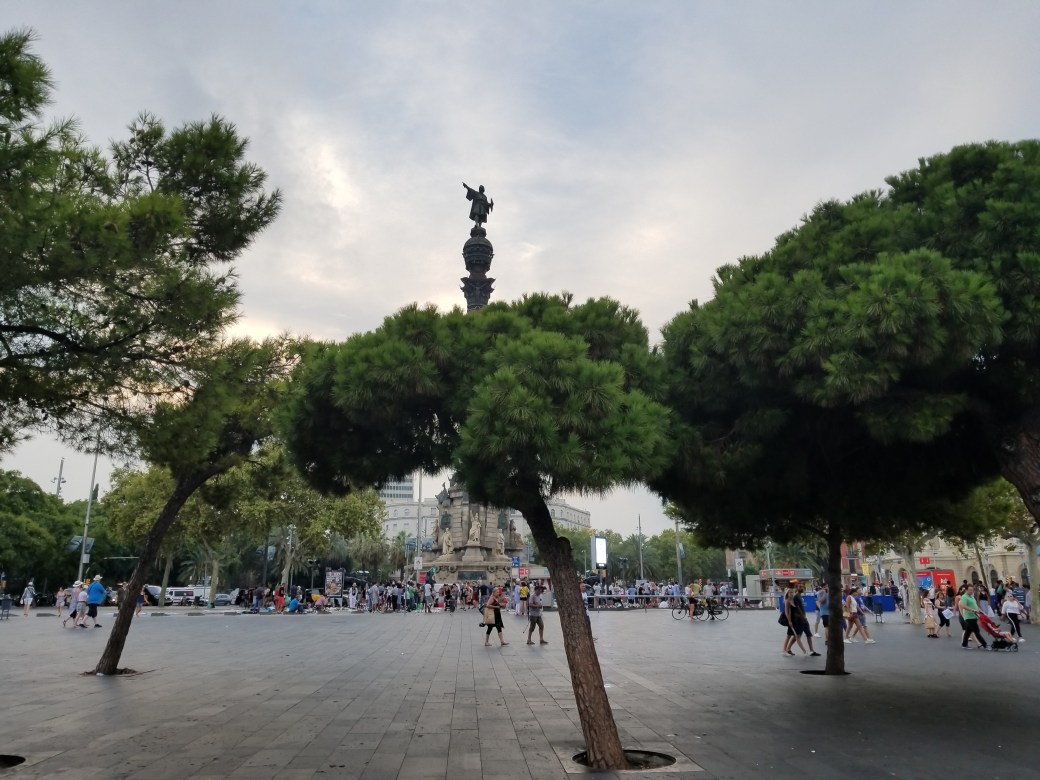
  5. Castle Montjuïc

Barcelona is synonymous with these five need-to-see places. Going there and not seeing these five places is like not really seeing the place at all.  I didn’t list the outskirts like the monastery, the beaches, outdoor hikes, nor the museums or the food.  Those are all extra personal preferences that you can’t go wrong with no matter where you eat or visit.  By the way, some of these places, like Sagrada Familia, you will want to book in advance if you visit during the high tourist seasons.

Ok, amigos…I’m pretty pooped.  I’ll give you the scoop on our visit to Tangiers later. We find out what school D will attend by Friday. I’ll keep you posted.

Adios!

Aghhh…Mi Cabeza is Exploding!

7/29/18

(Warning: this entry is not PC.  It’s my personal observation)

Oh my God!  I think I’ve hit ‘giant size’ in this country.  All the men are smaller than me.  What the heck?  Do these people not eat or something??  Well, maybe I’m exaggerating a bit, but I think Spanish men are considerably shorter and skinnier than men in the U.S.   I have, more times than not, had a conversation at eye level with a guy and never had to look up.  To add to it, they are usually the size of a fourteen year old boy.

To all Spanish men:  please eat something!

The young college kids I attend Spanish language school with are all fairly normal.  Well, I guess ‘normal’ to me is not really normal to the world.  The majority of people (mostly men) I’m used to are at least an inch or two taller than I am.  I’m five foot, three inches and, therefore, not very tall to begin with (in my ‘normal’).  So when I see Scandinavians or Brits, I’m elated.  They make me feel short, pudgy and normal again; not so damn gigantic.

I was having drinks with some classmates a few days ago when a group of Scotts sat at the table next to us.  I was so happy I almost wanted to jump up and hug them. Don’t worry. I didn’t.  But they were taller than five feet!  Ok, ok, ok…I’m exaggerating.  The average Spanish man is NOT short.  He’s just shorter than MY normal, ok?!

This has been a very busy week for D and I.  As you know, we’re in a Spanish immersion program.  Classes are four hours a day and then we participate in an activity to practice the language.  One of the activities was learning how to flamenco and salsa.  During the dancing lesson, we got to talk to our partner for a minute before we had to move to the next partner.  It was great, but when you’re trying to count the steps in your head and translate them in Spanish while trying not to step on your partner’s foot, it’s ridiculously hard.  Suffice it to say, that activity most definitely ended up with an alcoholic reprieve at the end.

Most days, by the time we come home, our heads (cabezas) are exploding and our bodies are exhausted not just from the lessons and activities, but from the heat.  The temperatures these last few days have been in the high nineties (as I’ve heard, you have also experienced this week).  Not the kind of temperature our Seattle bodies are used to.

I wasn’t paying attention when I was watching the weather forecast on television last week when (in Spanish) they announced a warning for high temperatures this weekend.  So what do I do?  I book a day-long tour to walk around an historical city.  I really have to get my Spanish down quick or I’m going to get us in trouble.  It’s a good thing we didn’t die from heat exhaustion.  We spent the whole day walking in the sun.  As soon as we got home, we peeled off our clothes and sat under the air vent for almost an hour.  Yeah, I know, try not to imagine it.  It wasn’t a good sight.

The trip ended up to be a great experience.  We learned a great deal about Ronda, the city we visited.  I won’t go too much into detail, but Ronda is where the torero, or the bullfighter, originated.  It’s where some of the best bullfighters learned their skill, or art, as they prefer to call it here.  Ronda was also a refuge for all non-Christians, especially the Muslims who tried to flee persecution, after Isabel and Ferdinand conquered Spain. It was built by the Phoenicians and then the Romans before it fell to the Berbers, and finally, the Spaniards took it in 1485.

Another interesting thing about Ronda was that Ernest Hemingway and Orson Welles both had a heavy presence there.  Finding the people and the place inspiring to their writing, they lived briefly in Ronda and published stories about the art of bullfighting. Welles met his future wife there.  If you are an aficionado of classical American movies, you would know her.  Her name was Margarita Carmen Cansino, or better known as Rita Hayworth 🙂

Ok chicos…hasta luego!

Where is Everyone?

7/19/18

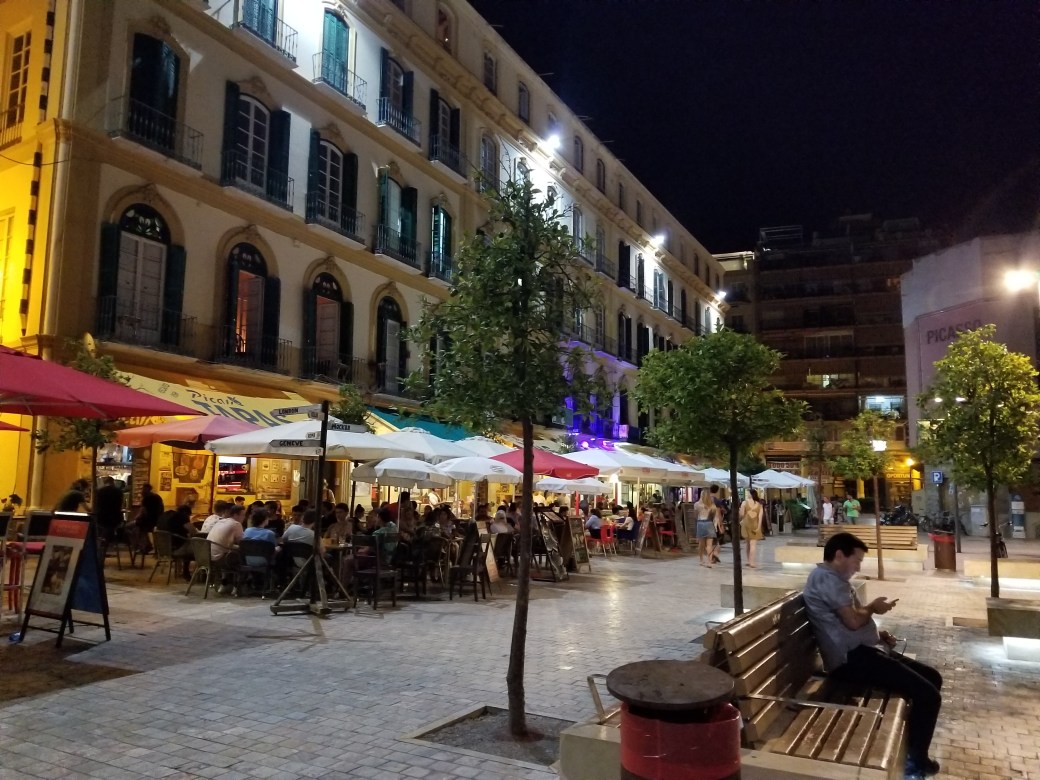
Our sleep cycles are still off.  We stay up all night and practically sleep until mid-afternoon.  The few times I woke up early and went out, there was no one around.  Yesterday was one of those sleep-all-day days.  When we ventured out in the evening, I had a ‘what the duh’ moment.  I looked around and there was a world full of people.  “Are these people all jet lagged too?  Oh, wait…we’re in the land of siestas!  People don’t come to life until late in the evening here…”
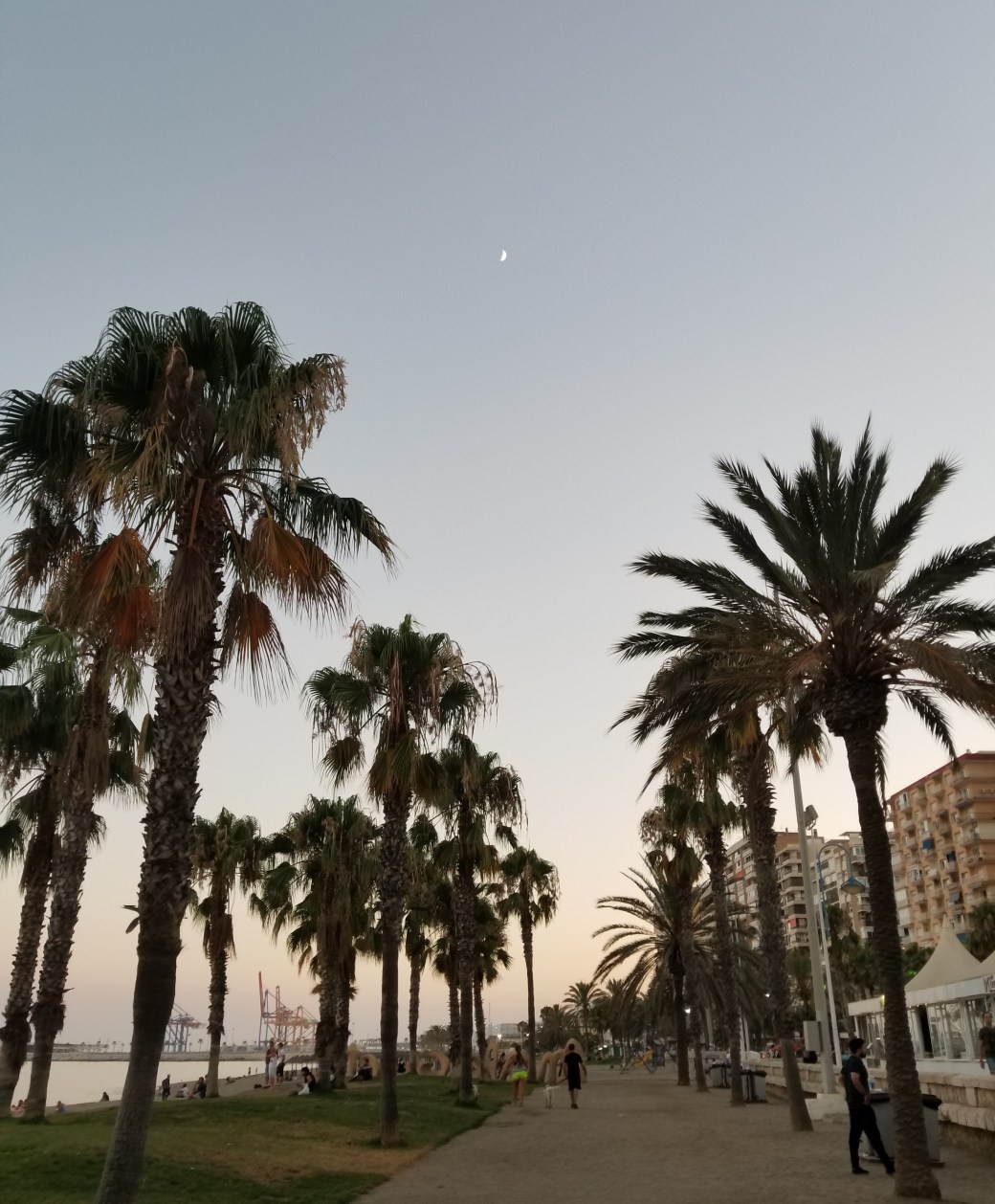
I can’t blame them.  The sun and heat are pretty intense.  It was 104° yesterday. I wouldn’t be able to go out even if I wanted to.

So what do you do when you’re frustrated and don’t feel like you’re getting much done??  You go shopping, of course.  Buying something always gives one an instant sense of accomplishment and gratification.  “Look, D…I found the perfect socks!”  Not that we don’t have any socks, mind you.  But hey…you got something done…instantly!
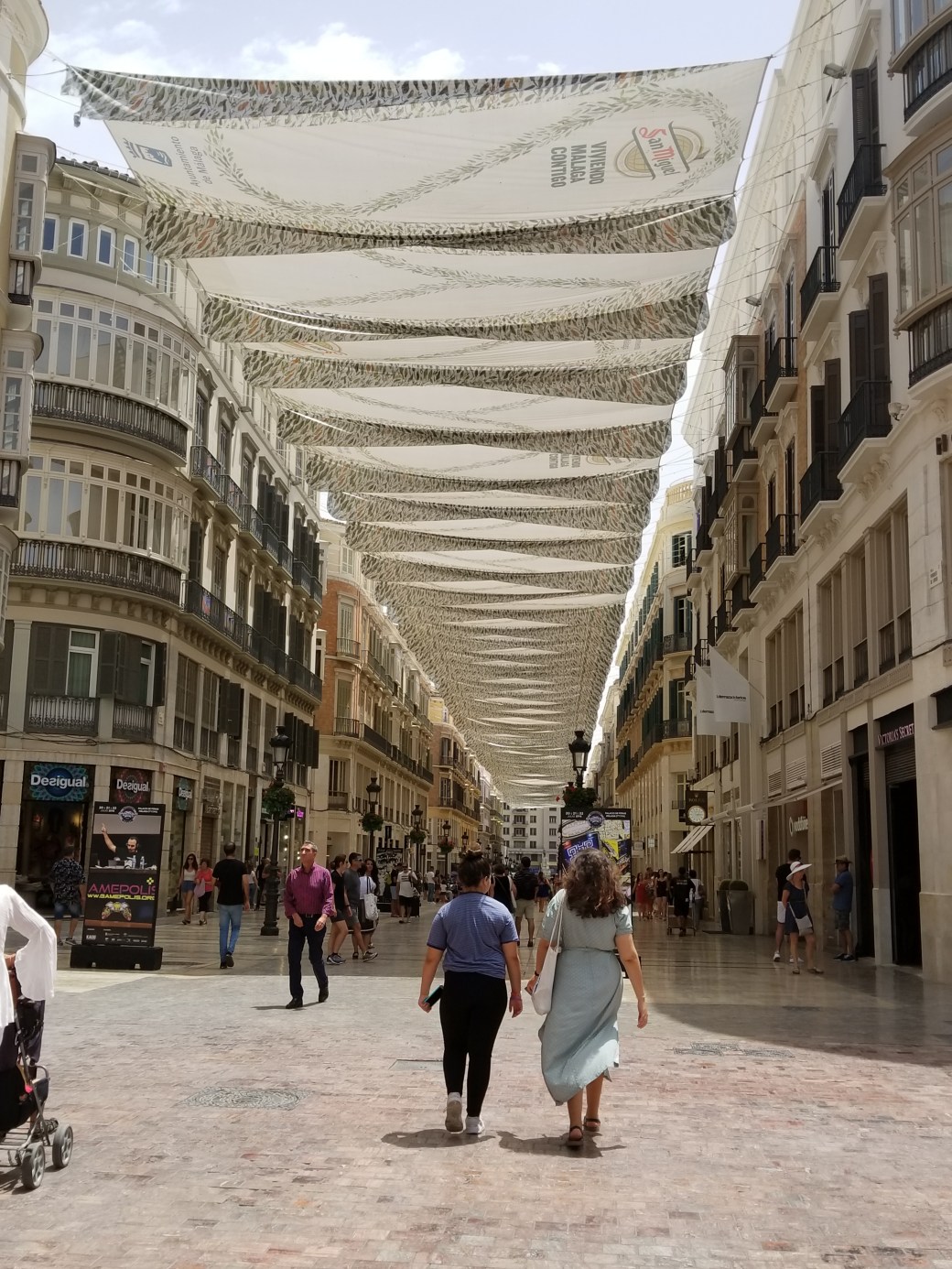
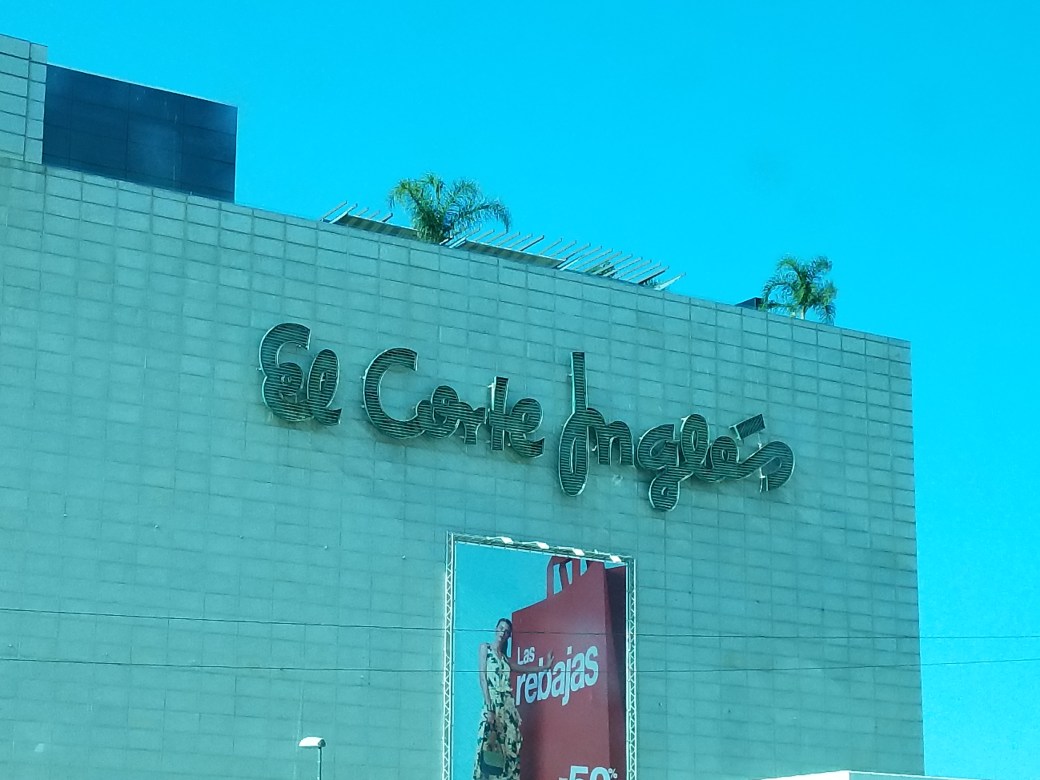
We went to El Corte Ingles, or ‘the English quarter’, which is a department store located in the shopping district.  I am still awed by the fact there are hardly any people in sight during the early afternoon hours.  The shopping district was the only place where people were still around. Thank goodness for shopping!

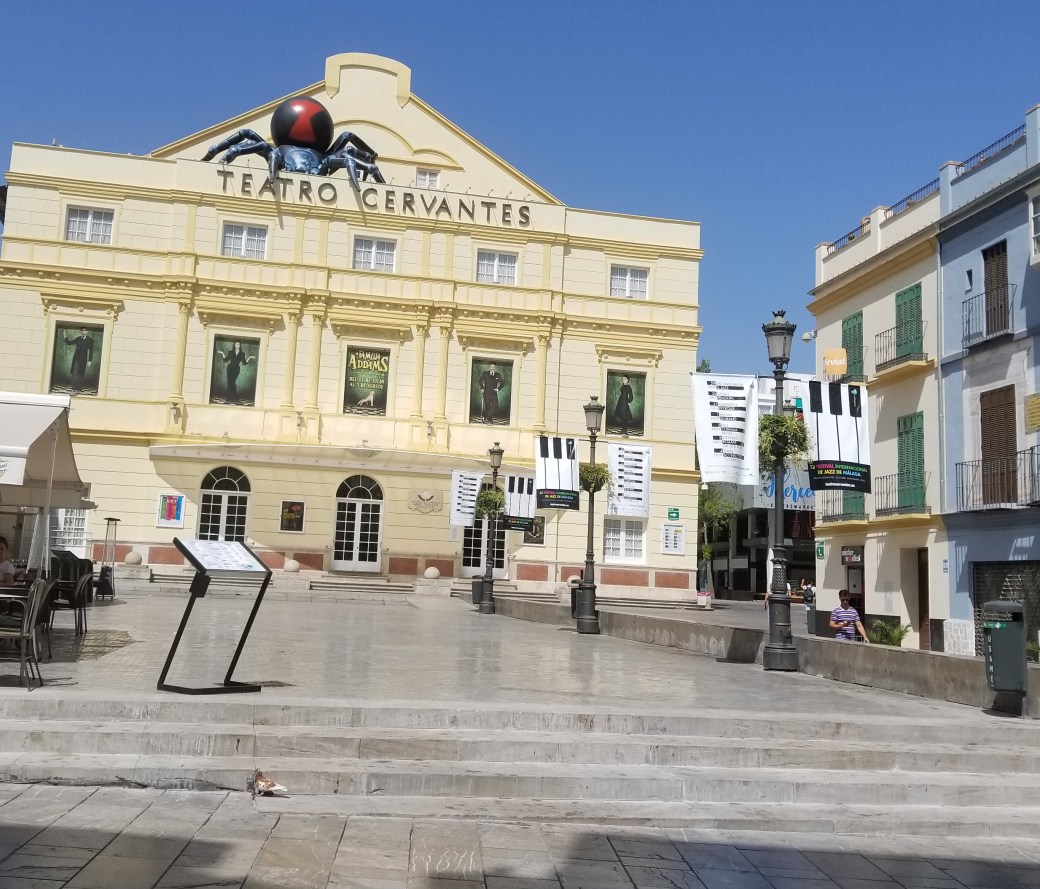
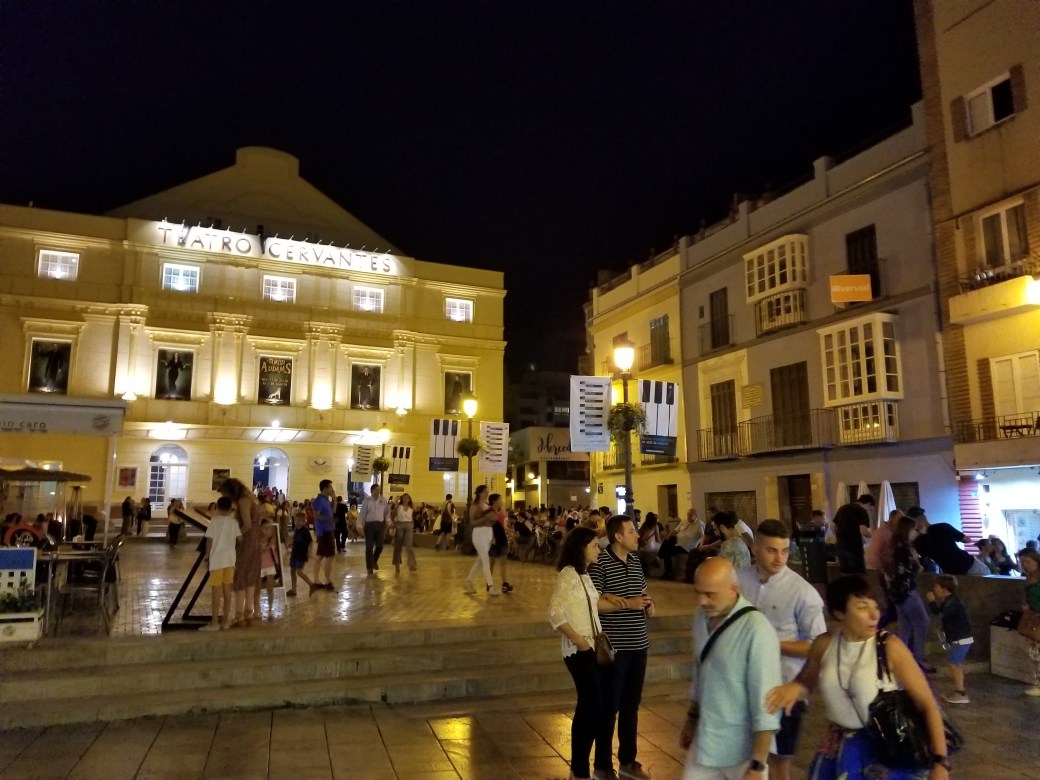
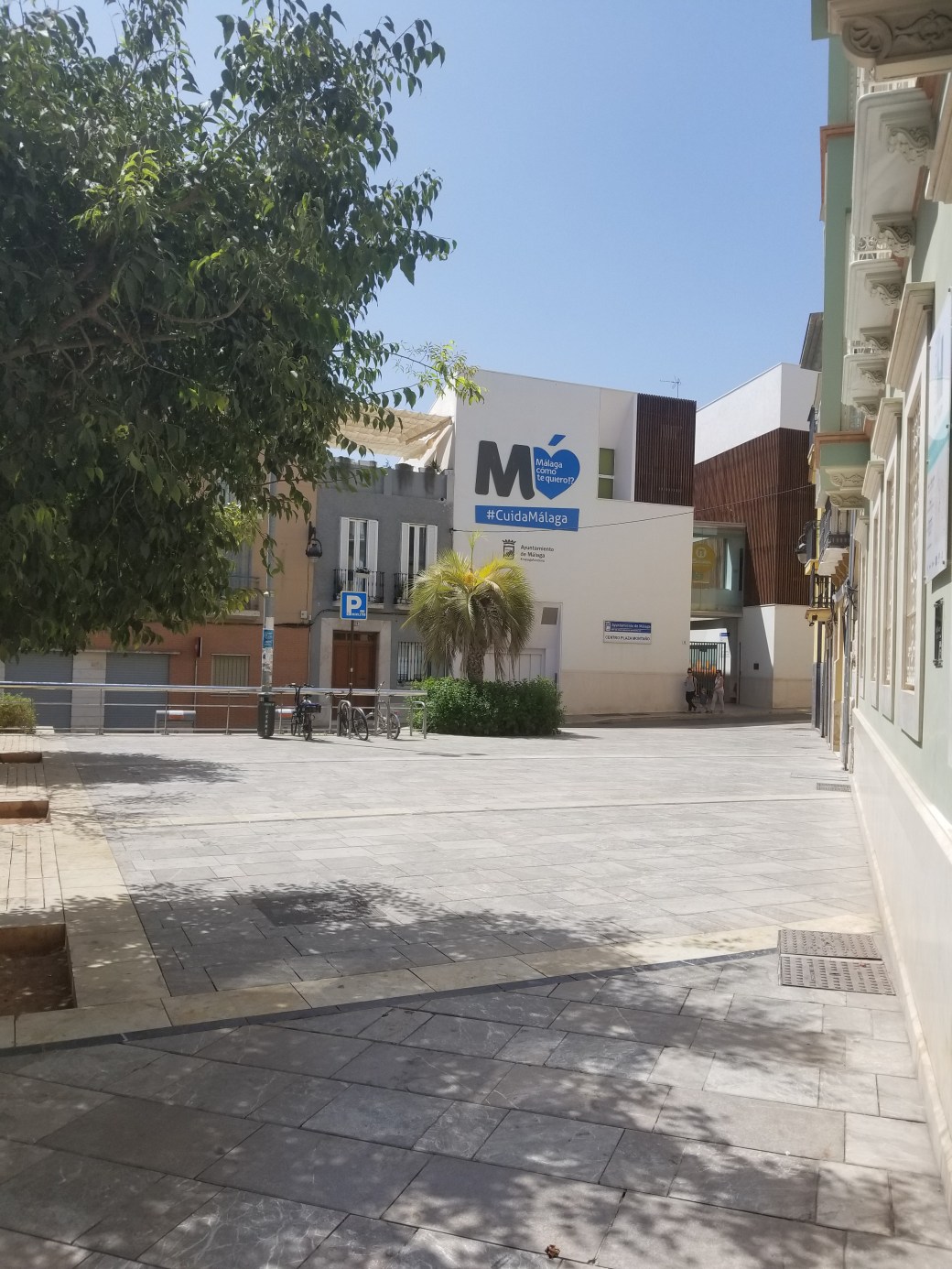
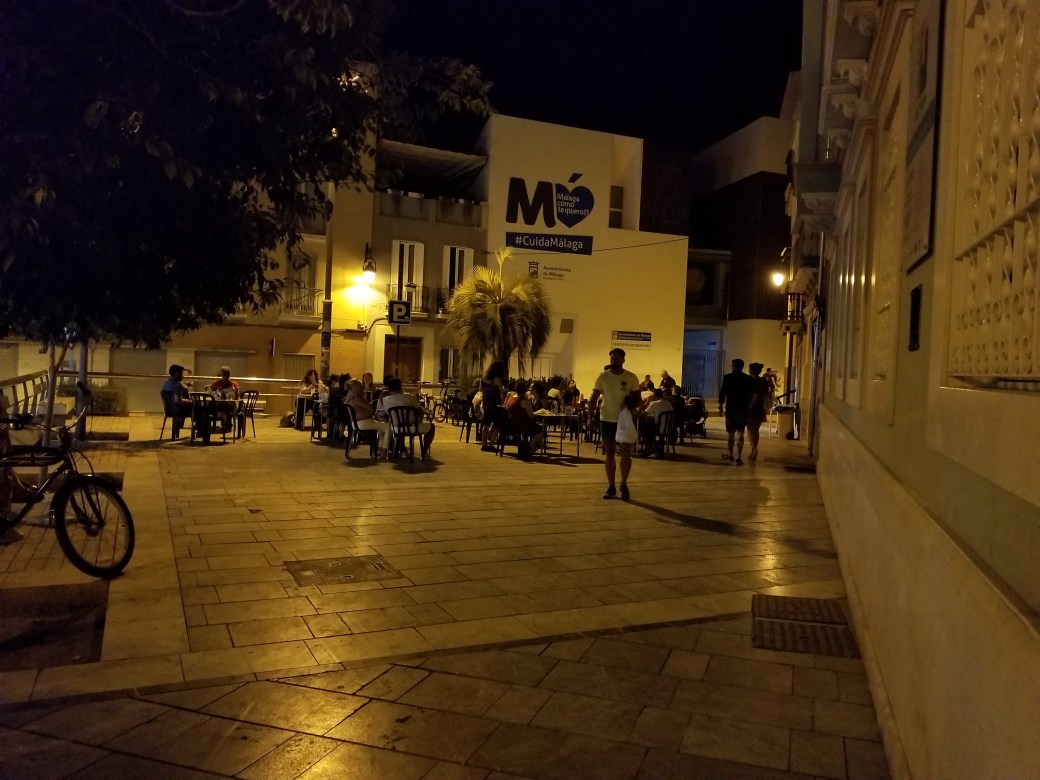
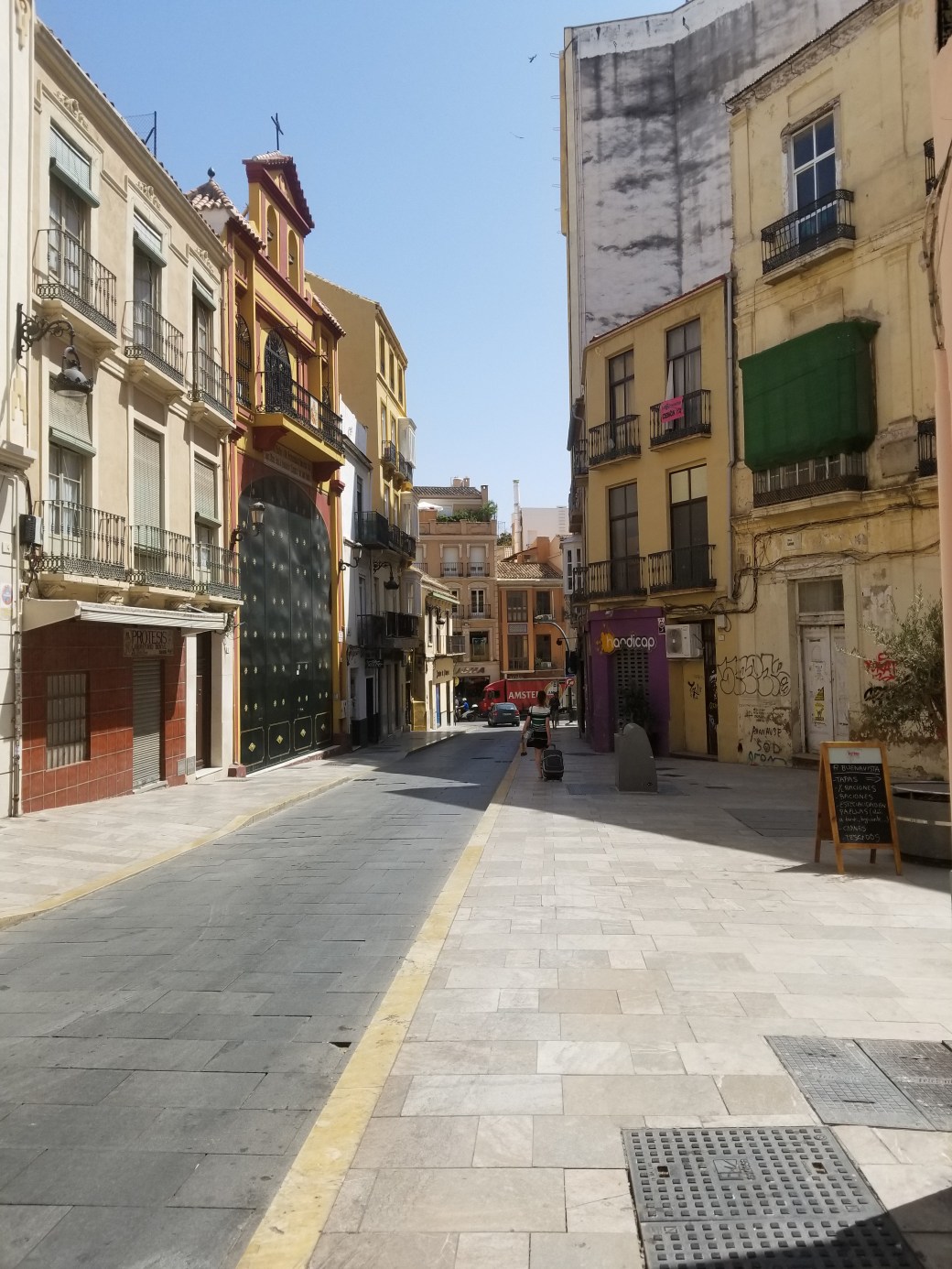
Check out these pictures of day versus night…

20180720_164106
Plaza de Teatro Cervantes

20180719_230233

20180720_161928
Plaza de Montano

20180719_23050420180720_16391020180719_23032320180720_162101

20180719_225205
Plaza de Merced
20180719_150511
Shopping disctrict

20180720_183845

School? What School?

7/18/18

Being in this beautiful city, I almost forgot why we came here in the first place. I got carried away with the sites, the food and the beautiful m…

Ok, it’s time for some serious work…to get D registered for school.

The thing about Spanish schools is that it’s complicated.  You’ve got the international private schools, the Spanish private schools, the Spanish semi-private schools, and finally, the public schools.  We decided that an international school might not be a great fit for D.  From previous experience, international schools usually teach in the school’s main language (English, Swedish, German, etc.), and then teach you an hour’s worth, or less, of the local language.  The idea for us is to be totally immersed in Spanish.  This means either a private Spanish school with a little English or full on public school.  Since it was difficult for D to get into a Spanish private school, as she has zero Spanish language, public school is the only option at this time.  Unlike the States, public schools here are not quartered within your living boundaries. You can live in neighborhood A and be assigned to a school in neighborhood G.  We have registered her at a bilingual French/Spanish public school. Students can choose to study in both languages or just one. It’s the luck of the draw.  D has chosen Spanish for now. We should know by early September if she makes it in or not.

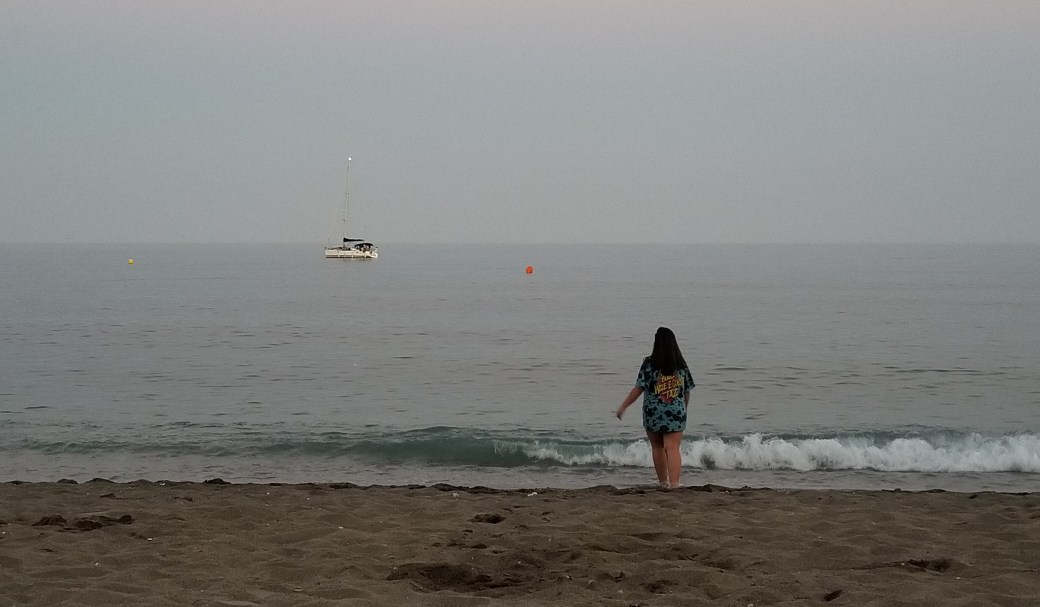
Too much work gives me a headache.  Well, maybe it’s the heat.  It’s 9:30 pm and it’s time to go to the beach…

20180718_213813
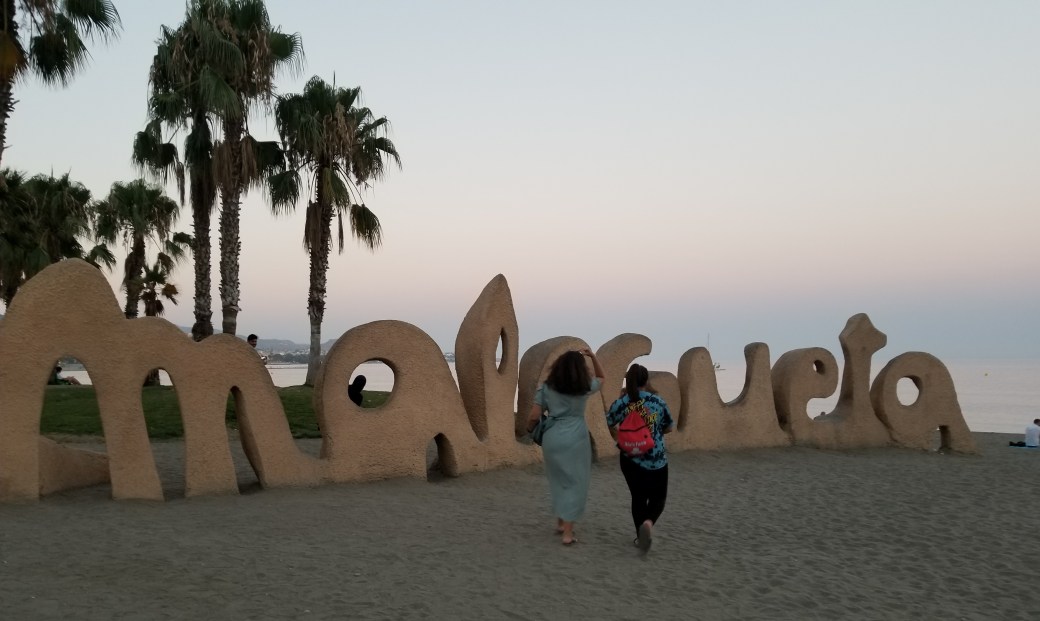
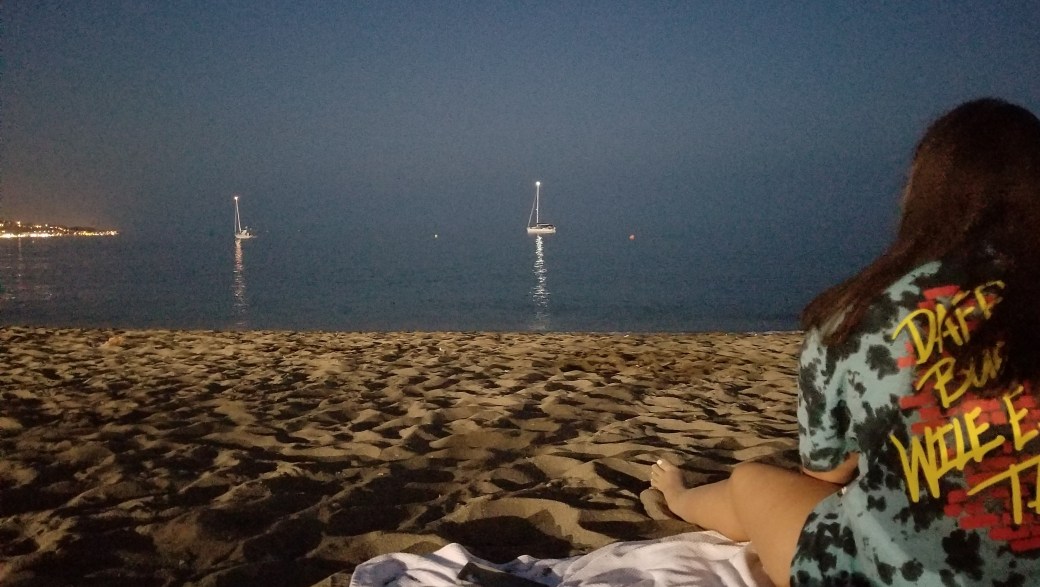
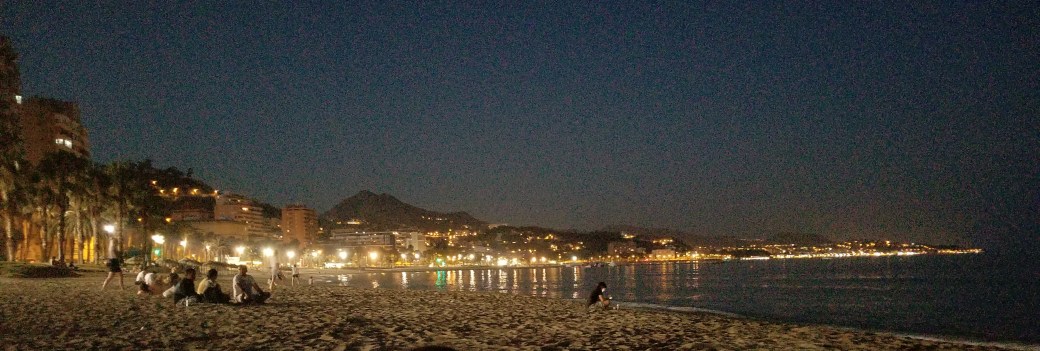
At Malagueta beach with D and my niece.

20180718_213537

20180718_214820

20180718_22160320180718_221531

The Alcazaba

7/18/18

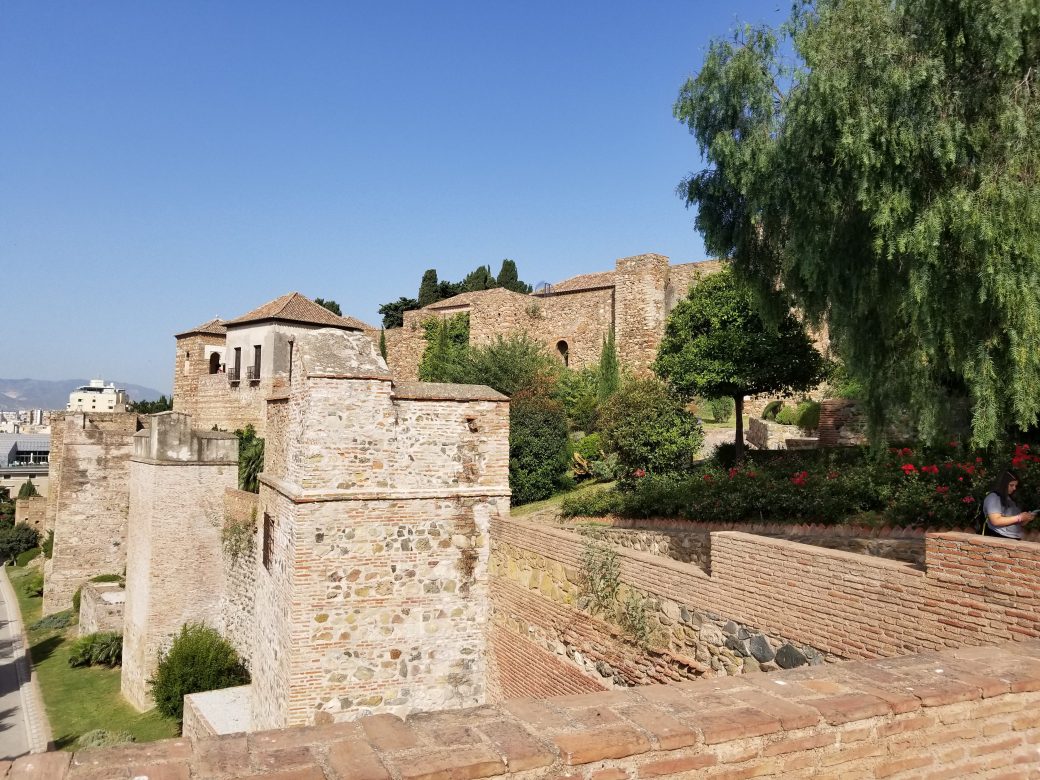
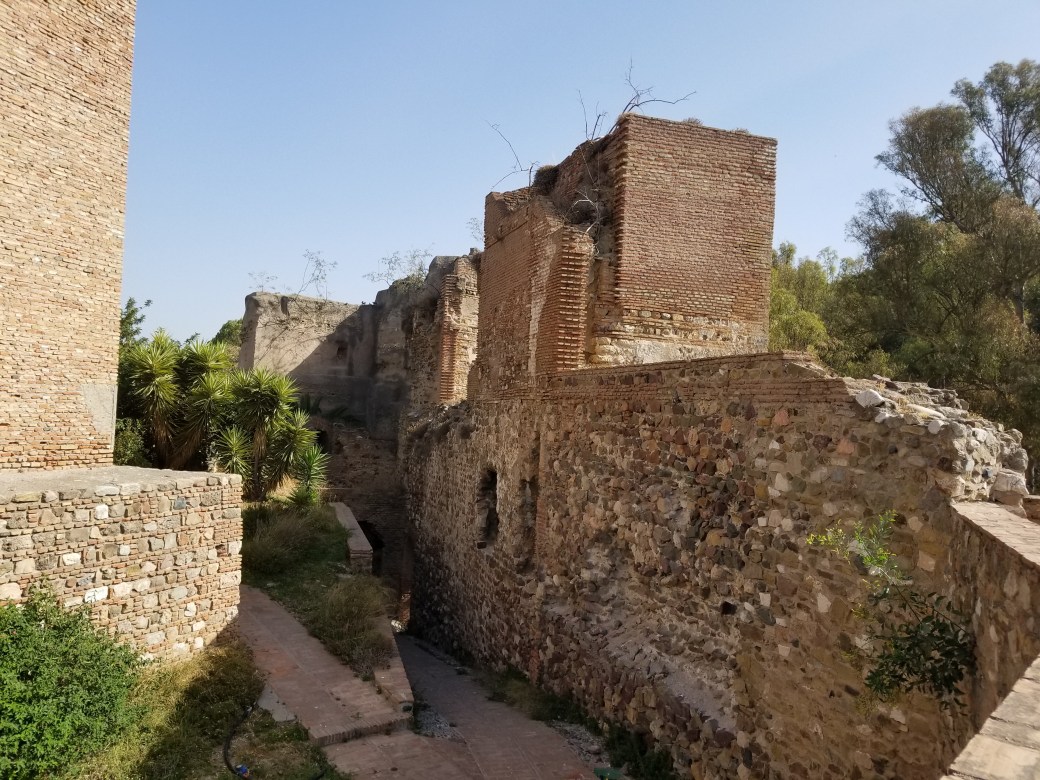
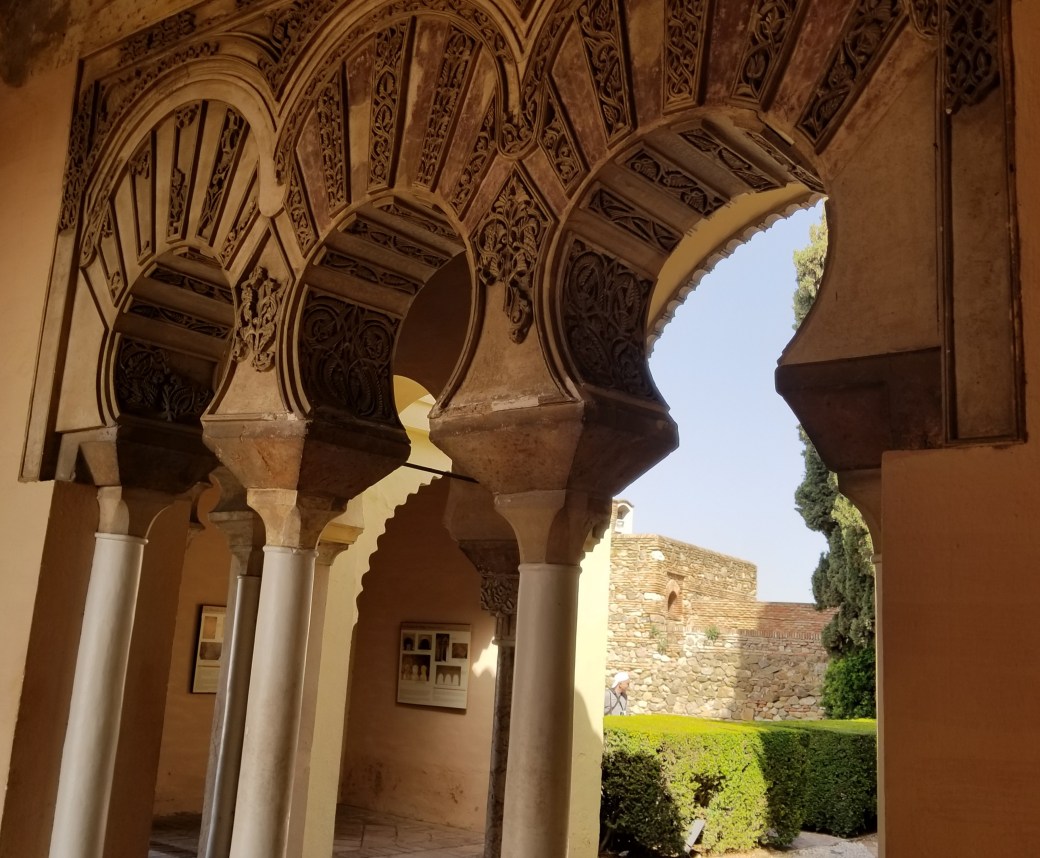
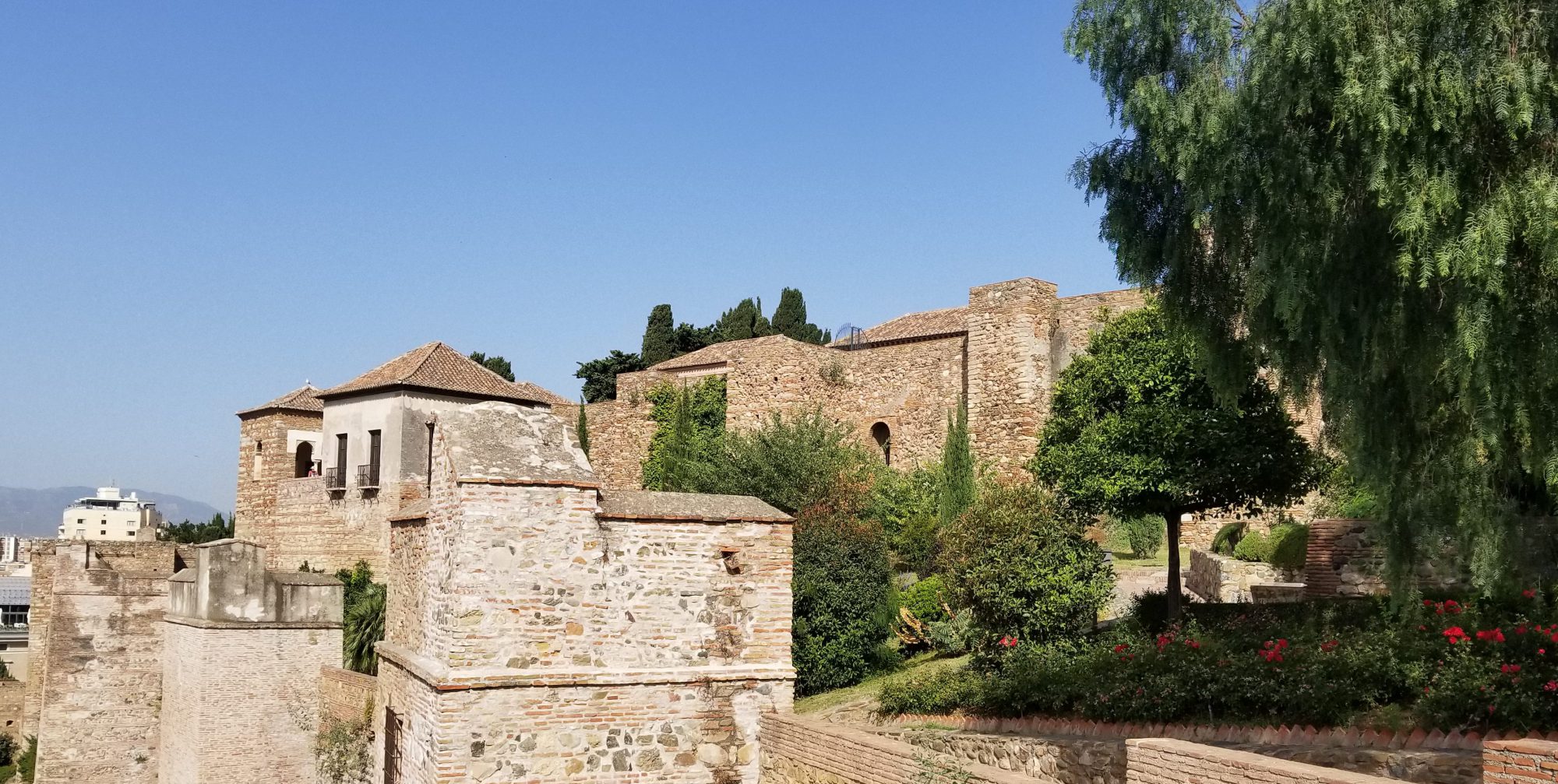
What do you do when you get to a new place on the other side of the world? You sleep. And then you wake up at the crack of dawn and see what’s out there. Malaga is a beautiful city, but at 7:30 am it’s a ghost town.  You can forget about meeting humans on the street.  We walked around a bit until a few places began to open. The great thing about this city is that almost all the impressive sights are in a twenty minute walking radius.  We started out by visiting the Alcazaba.   The Alcazaba, or the ‘citadel’, is a palace-fortress built in the 11th century by the Muslim Hammudid dynasty.  It’s a beautifully built fortress with fragrant gardens and flowing fountains. Pretty impressive stuff for that time period.  We never got to the palace, though. It was really hot by 11 am.  And our Seattle blood was getting too warm.  We will save the palace for another day.

20180718_10291520180718_103222 (1)20180718_105616

20180718_105445